
Adjusting Health and Safety Practices Post-Pandemic: Embracing Our New Reality
Discover how companies, schools, and individuals are reshaping their health and safety practices in response to the pandemic. Learn about emerging trends, helpful tips, and essential strategies for adapting to the current landscape.
How has the pandemic changed our lives?
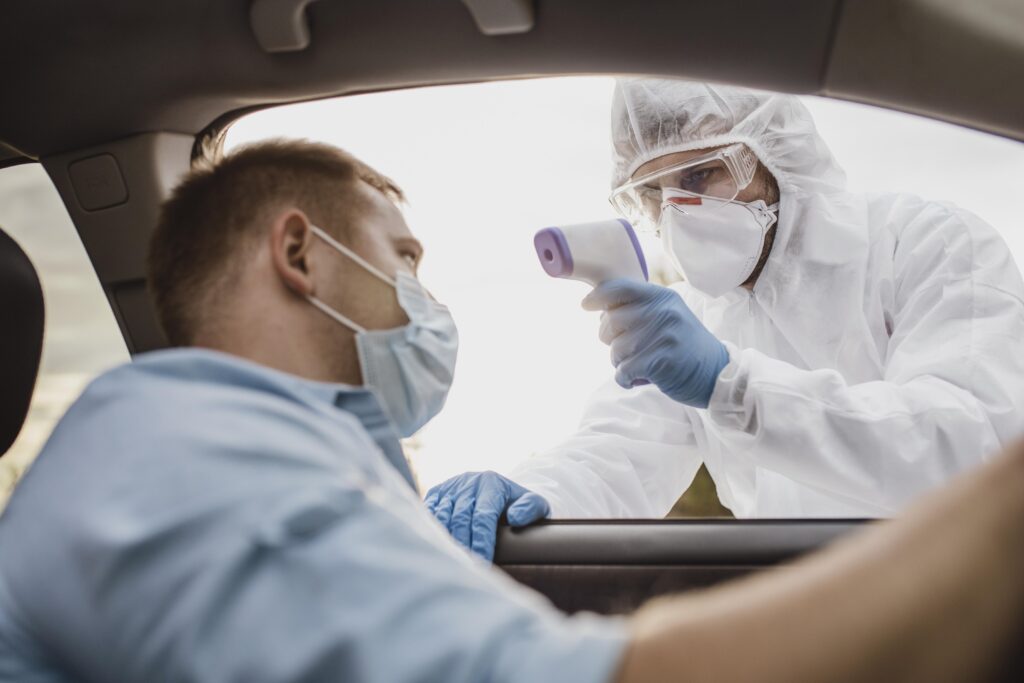
The COVID-19 pandemic marked an incredibly challenging period for humanity. Starting in late 2019, we faced an unknown virus that sadly led to a significant loss of life.
Thanks to groundbreaking advancements in medicine, researchers were able to produce effective vaccines within months, dramatically decreasing death rates and aiding in the control of the virus.
Today, while COVID-19 cases still exist, they are significantly fewer than before. Unfortunately, this virus is one that humanity may grapple with for years to come due to the lack of a definitive cure.
Fortunately, things have improved significantly, and we can confidently say we’ve moved past the darkest times. However, the effects are still felt, and the world has undeniably changed since this crisis.
Enhanced safety protocols became standard across various environments. Businesses adopted strict measures, schools had to make significant adjustments, and healthcare systems faced challenges to ensure safe services. Additionally, the importance of mental health was recognized as equally crucial as physical health, leading to a focus on achieving balance in wellbeing discussions.
Even as cases decline and we gradually return to ‘normal,’ the world has not reverted to its former state. This collective experience has highlighted the importance of prevention, empathy, and shared responsibility.
A fresh outlook on health and safety
As mentioned earlier, there has been a clear change in how individuals prioritize mental health during this period. Many who didn’t contract the virus still felt its effects, as persistent negative news, social isolation, and ongoing anxiety took a toll.
This shift has made mental health a much more relevant and respected topic. Discussions that once seemed less common, such as burnout and anxiety, along with the need for supportive environments, are now much more frequent.
Moreover, health and safety have become continuous priorities. Practices such as wearing PPE, maintaining cleanliness, and respecting social distancing are now part of our everyday routines, even as restrictions ease.
Changed environments
Offices and organizations
The pandemic accelerated a transformation that was already occurring: the increase of remote work. Many companies adopted the work-from-home model, ultimately realizing that a hybrid approach could effectively balance productivity and employee welfare.
Furthermore, improved cleaning protocols, better ventilation, and social distancing practices have become standard in workplaces. Safety has shifted from mere compliance to a culture that emphasizes employee health and well-being.
Educational Institutions
Schools faced major challenges in keeping education alive during isolation. Online classes, smaller groups, mask rules, and strict hygiene practices became the new normal for students and teachers alike.
Beyond academics, emotional support gained importance. There’s now a greater focus on inclusivity, active listening, and mental health in classroom settings.
Healthcare Facilities
Healthcare facilities quickly adapted to ensure patient and staff safety. Measures like entrance screenings, heavy use of PPE, visitor limits, and frequent sanitization became standard operations.
Moreover, telemedicine has significantly advanced, allowing for remote consultations. This transition proved that effective healthcare can be delivered even in challenging times.
In Summary
The world has undeniably changed after everything we’ve gone through. The pandemic has left its mark, but it has also taught us vital lessons. We now have a deeper understanding of the importance of caring for our physical and mental health.
Workplaces, schools, and healthcare environments have adapted and innovated, with many safety measures from that time still in effect. This shows that despite obstacles, we’ve made meaningful progress in various areas.
What’s essential now is to sustain this focus, continue emphasizing prevention, and nurture a culture of collective well-being. Health and safety have shifted from being just protocols to a vital part of our everyday lives.