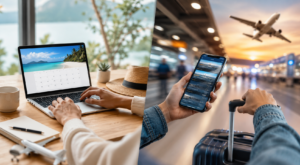
Transforming Workspaces: Exploring the Rise of Workcations by the Sea
"From sandy shores to corporate spaces, workcations transform the way Americans juggle productivity, travel, and wellness."
Workcation Wave: Zooming by the Shore
For many Americans, working with a stunning ocean backdrop is now a reality.
The trend of workcations—a blend of work and vacation—has surged among professionals across various sectors in the Americas.
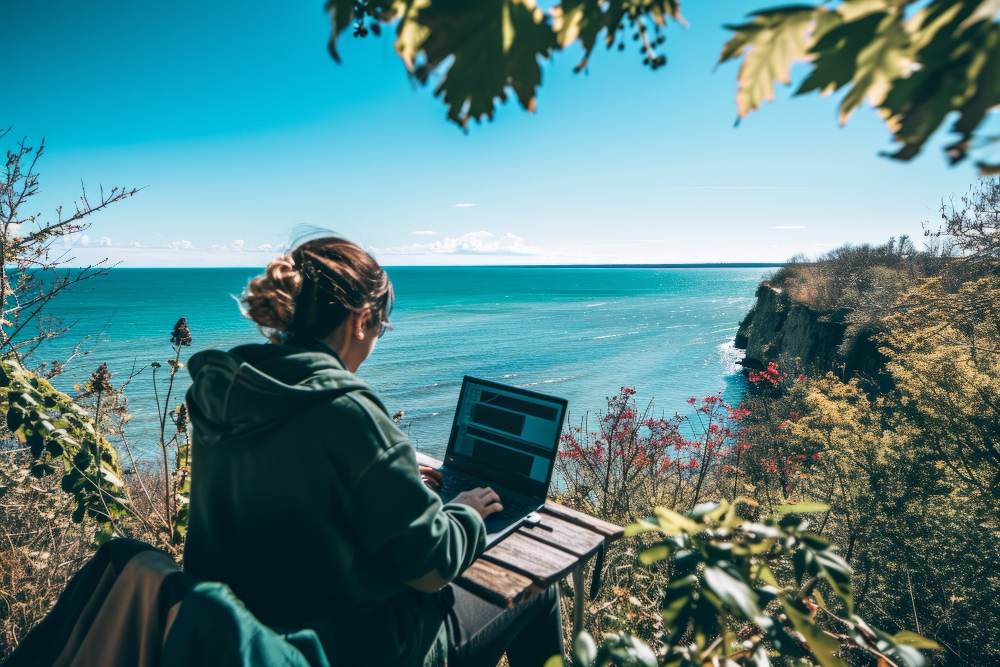
This workcation surge signifies a significant shift in how Americans perceive productivity, relaxation, and the balance of work and personal life.
The Dawn of the Workcation Era
The COVID-19 pandemic marked a pivotal change. With workplaces shuttered, millions found themselves working from virtually anywhere.
As restrictions eased, the concept of merging work with leisure took off: maintaining remote work while enjoying beautiful surroundings.
Destinations like Miami, San Diego, Honolulu, and Austin became prime spots for this fresh lifestyle.
International locations also saw a rapid rise in popularity, particularly Mexico, Costa Rica, Portugal, and the Caribbean.
Meet the New Hybrid Travelers
The majority of workcation fans are professionals in tech, marketing, design, and finance—fields that have embraced remote work models.
The typical age range is 28 to 45 years, with an average yearly income exceeding US$80,000.
These travelers prioritize flexibility, authenticity, and mental health. They seek more than just a cozy hotel; they want a lifestyle that blends work with local culture.
A Deloitte survey revealed that 68% of remote workers in the U.S. feel more creative and engaged when they change their surroundings.
The Impact of Hotels and Destinations
Hotels, resorts, and even quaint guesthouses now recognize that providing a stunning view is just the beginning; they must also offer corporate-quality amenities to meet the needs of today’s travelers.
Brands like Marriott, Hyatt, and Hilton have developed tailored programs, such as Work from Anywhere by Marriott Bonvoy, which blends extended stay rates, private office spaces, and coworking environments in their resorts.
Additionally, numerous tourist hotspots are adjusting their marketing strategies to draw in hybrid travelers.
For instance, Barbados introduced the 12-Month Welcome Stamp, a special visa that allows remote workers to reside in the country for up to a year.
Navigating the Work-Vacation Balance
Staying disciplined outside of a conventional office setting demands effective self-management and well-defined boundaries.
Many workers find it challenging to truly “switch off”—when your workspace is also where you relax or enjoy a drink by the pool, the distinction between work and leisure tends to fade.
The cost of living plays a significant role, especially when transitioning from a more affordable area to a pricier tourist spot in a short time frame.
Expenses for flights, meals, and long-term stays can quickly consume a large chunk of one’s earnings.
Companies Balancing Control and Flexibility
While workcations initially emerged as a personal choice, many U.S. companies are now formally adopting this trend.
Startups and major corporations alike are now permitting—and often promoting—the option for their teams to work remotely from different countries for limited durations.
For instance, Salesforce introduced the “Work from Anywhere Weeks” initiative, enabling employees to select temporary work locations twice a year. Shopify even provides an annual allowance to help cover the expenses of remote work travels.
Conversely, some firms remain steadfast in their opposition. Giants like Tesla, Amazon, and JPMorgan have reverted to requiring either partial or full in-office attendance, citing lower productivity and difficulties in team cohesion.
Workcation: A Reflection of a New Lifestyle
Workcations are more than just a travel fad; they signify a fresh cultural shift.
Work isn’t confined to a single spot anymore—it’s transformed into a mobile journey, influenced by individual preferences.
This shift impacts not just tourism but also real estate, online consumption, and the local economies of many destinations that are now flourishing with digital nomads.
Destinations such as Lisbon, Medellín, Playa del Carmen, and Chiang Mai have become popular spots for Americans in search of a better lifestyle, enjoyable weather, and affordability.
In these locales, cafes, coworking hubs, and fitness centers have adapted their services and hours to meet the needs of this new clientele.
The Workcation Horizon
The workcation trend is likely to solidify in the years ahead, fueled by a generation that prizes freedom, time, and meaning alongside financial gain.
With Zoom calls and afternoon swims, workcations have evolved into more than just a job—they represent a new lifestyle.

Conteúdo Recomendado
Why Homeowners Insurance Rates Are Rising
Homeowners insurance costs are increasing in 2025 due to climate risks, construction expenses, and evolving regulations.nn
Continuar Lendo * You will be directed to an external website Why Homeowners Insurance Rates Are Rising
Continuar Lendo You will be directed to an external website