
Solo Travel in the U.S.: How to Plan Your Trip
A practical guide to solo travel in the U.S., with planning tips, safety advice, and ideas to enjoy your trip on your own.
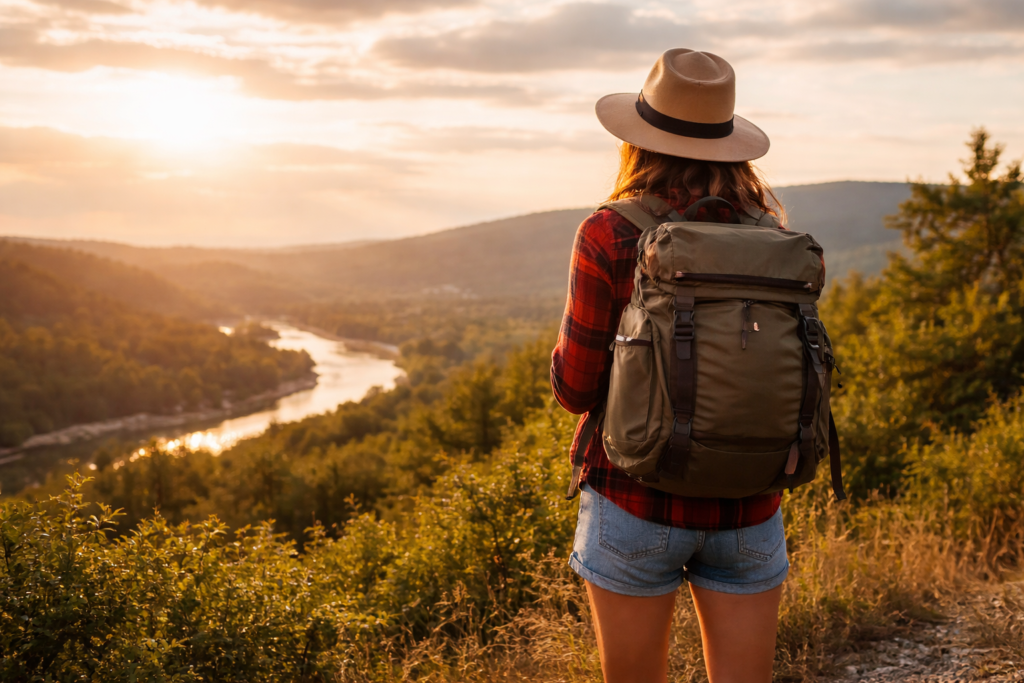
Solo travel in the U.S. has become increasingly popular in recent years. Whether it’s a weekend escape, a cross-country adventure, or a city break, traveling alone offers freedom, flexibility, and a chance to experience destinations at your own pace.
That said, traveling solo also requires a bit more planning. From choosing the right destination to thinking through safety and logistics, preparation plays a key role in making the experience enjoyable and stress-free.
Why solo travel is growing in the U.S.
Many travelers are choosing to explore on their own for simple reasons: flexibility, independence, and personal growth. Solo travel allows you to build your itinerary around your interests, adjust plans as you go, and enjoy quiet moments without compromise.
In the U.S., the wide variety of destinations—urban centers, national parks, coastal towns, and road trip routes—makes solo travel especially accessible.
Before you go: planning your solo trip
Set realistic expectations
Before booking anything, think about what kind of experience you want. Are you looking for relaxation, outdoor activities, or cultural exploration? Knowing your goal helps you choose destinations and activities that fit your travel style.
Solo travel doesn’t have to mean doing everything alone all the time. Many travelers enjoy a balance between independent exploration and guided activities.
Solo travel is also popular for shorter trips, especially when planning affordable weekend getaways across the U.S.
Share your plans
Even when traveling alone, it’s important that someone knows your itinerary. Share basic details—destinations, accommodation, and dates—with a trusted friend or family member. This small step adds peace of mind.
Transportation and getting around
Flying, driving, or public transit
In the U.S., solo travelers often choose between flying, renting a car, or relying on public transportation. Urban destinations usually allow you to move around without a car, while rural or nature-focused trips may require driving.
Plan transportation in advance to avoid last-minute stress and to understand your options once you arrive.
Getting around without a car
In cities, ride-sharing apps, buses, trains, and walking can cover most needs. Download maps offline and familiarize yourself with local transit before you arrive.
Accommodation tips for solo travelers
Choosing the right place to stay can shape your experience. Hotels, hostels, and short-term rentals each offer different advantages. Some solo travelers prefer accommodations with common areas, where casual interactions are easier, while others value privacy and quiet.
Location matters: staying close to main attractions or public transportation can save time and energy.
Staying safe and confident while traveling alone
Trust your instincts
One of the most important solo travel skills is listening to your intuition. If something doesn’t feel right, it’s okay to change plans or leave a situation.
Simple safety habits
- Keep personal belongings secure
- Avoid sharing too much personal information with strangers
- Be aware of your surroundings, especially at night
These habits help you stay alert without limiting your experience.
Enjoying your time as a solo traveler
Dining and activities alone
Eating alone or exploring on your own can feel unfamiliar at first, but many travelers come to enjoy it. Cafés, food halls, museums, and walking tours are all solo-friendly options.
Meeting people—if you want to
Solo travel doesn’t mean isolation. Group tours, classes, and local events can be easy ways to connect with others while still maintaining independence.
Costs to keep in mind when traveling solo
Some experiences cost more when you’re traveling alone, such as single-occupancy accommodations or car rentals without shared expenses. Being aware of these factors helps you plan more realistically.
Traveling alone can sometimes mean extra expenses, so it’s important to be aware of hidden travel costs that may impact your budget.
At the same time, solo travelers often save money by being flexible and making decisions quickly.
Conclusion
Solo travel in the U.S. is a rewarding way to explore new places on your own terms. With thoughtful planning, awareness, and flexibility, traveling alone can feel empowering rather than intimidating.
By choosing the right destination, organizing logistics ahead of time, and staying open to the experience, solo travel becomes less about being alone—and more about enjoying the journey exactly the way you want.
Conteúdo Recomendado
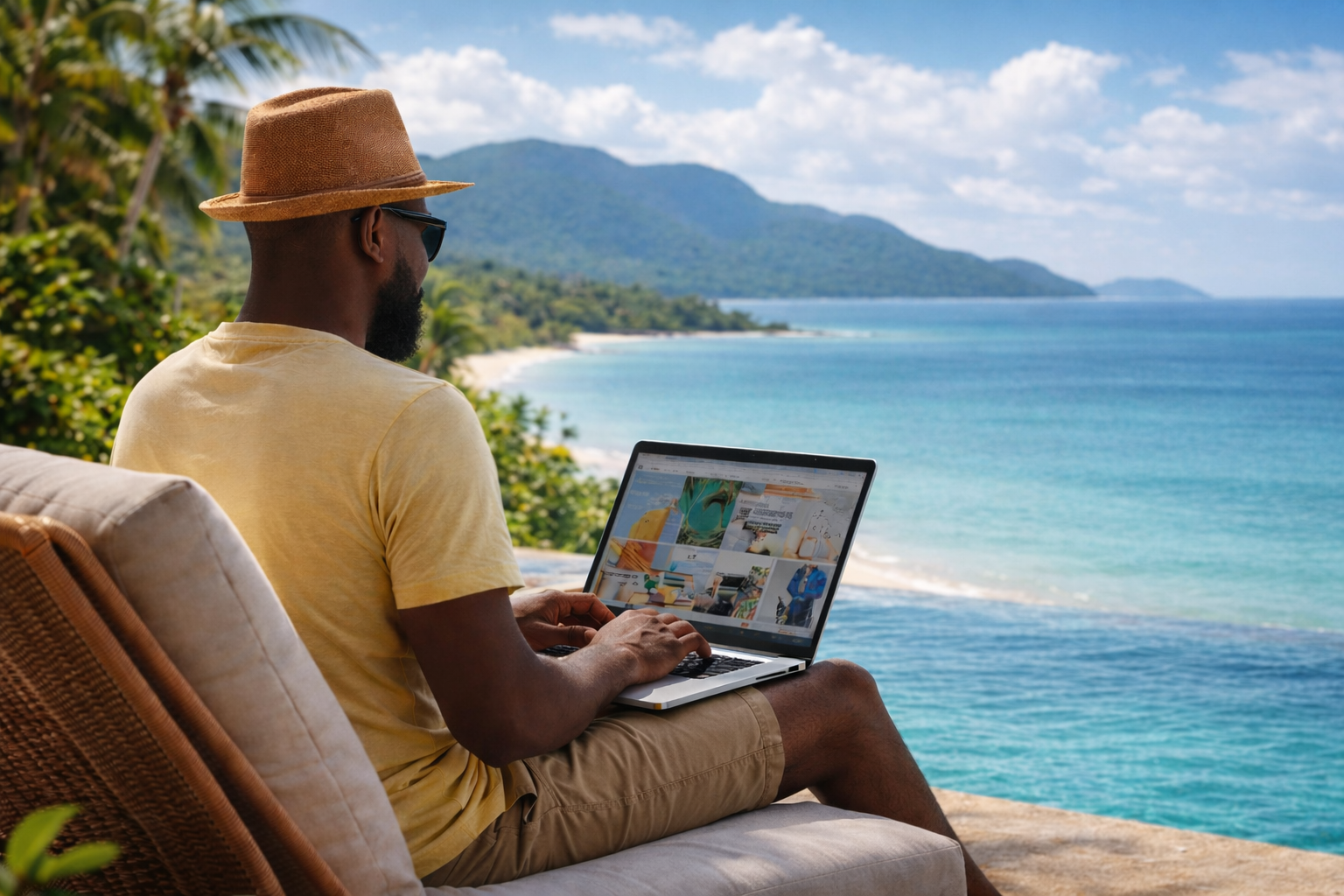
Remote-Friendly Destinations in the U.S.
Discover remote-friendly destinations in the U.S. that combine good internet, quality of life, and travel flexibility.
Continuar Lendo * You will remain on the current website