
Travel Safety Basics in the U.S
Essential travel safety basics in the U.S., covering personal, digital, and transportation tips every traveler should know.
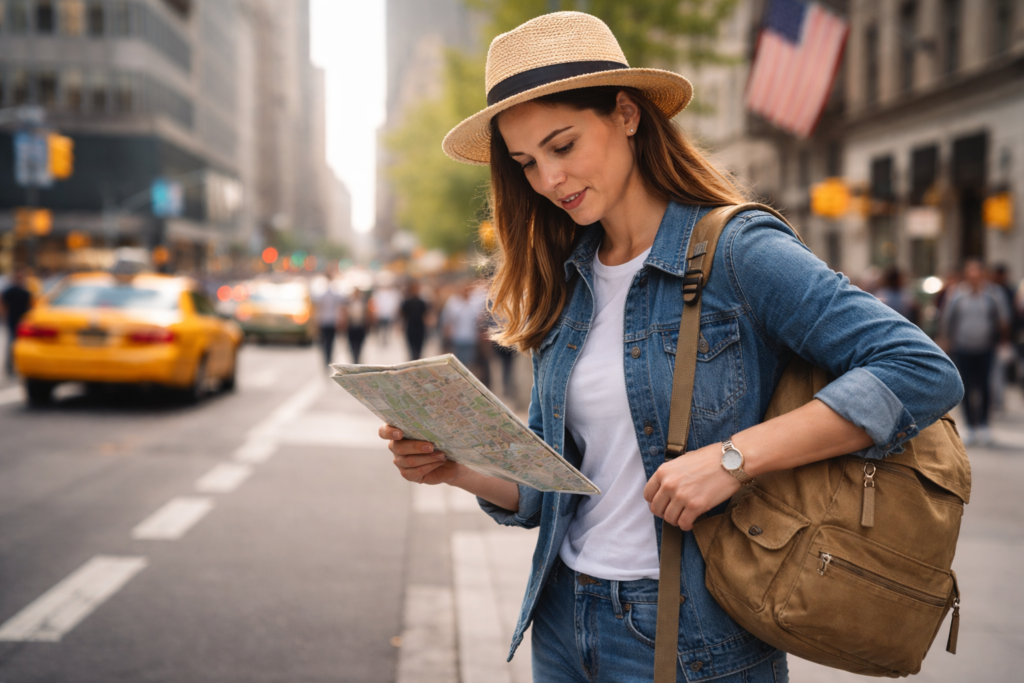
Traveling across the United States is generally safe and accessible, but like anywhere else, being prepared makes a big difference. Travel safety isn’t about fear or overthinking every situation — it’s about building simple habits that help you avoid unnecessary stress and handle situations with confidence.
Whether you’re visiting big cities, small towns, or national parks, a few practical precautions can go a long way toward a smoother trip.
Why Travel Safety Matters (Without Being Paranoid)
Many travel issues don’t come from serious danger, but from small oversights: leaving valuables unattended, using unsecured Wi-Fi, or not planning transportation ahead of time.
Travel safety is less about constant vigilance and more about awareness. When basic habits are in place, travelers can focus on enjoying the experience instead of reacting to problems.
Personal Safety Basics While Traveling in the U.S.
Staying aware of your surroundings is one of the simplest and most effective safety practices. In crowded places, keep an eye on personal belongings and avoid carrying valuables openly.
It’s also smart to trust your instincts. If a situation feels uncomfortable, leaving or changing plans is always an option. This doesn’t mean avoiding experiences — it just means staying attentive.
Keeping copies of important documents and knowing where your ID, phone, and payment methods are at all times adds an extra layer of peace of mind.
Transportation Safety Tips
Driving and Road Trips
If you’re driving, make sure the vehicle is in good condition and familiarize yourself with local traffic rules. Planning fuel stops and rest breaks helps avoid fatigue, especially on long routes.
Public Transportation and Ride-Shares
Public transit is widely used in major U.S. cities. Ride-share services are convenient, but it’s best to confirm driver details in the app and avoid sharing personal information during the ride.
At night, choosing well-lit stations and populated areas can reduce discomfort.
Staying Safe Where You Stay
Accommodation safety often starts with location. Staying in well-reviewed areas close to public transportation or main streets can make daily movement easier and safer.
Once inside, simple habits help: lock doors and windows, keep valuables out of sight, and use the in-room safe if available. Most travelers skip these checks, but they take only a minute and can prevent problems.
Digital Safety on the Road
Public Wi-Fi Awareness
Public Wi-Fi is convenient but not always secure. Avoid accessing sensitive accounts, such as banking or personal data, when connected to open networks.
Phone and Device Protection
Using screen locks, backups, and location tracking features can help protect devices if they’re lost or stolen. Keeping apps updated also reduces security risks.
Digital safety is often overlooked, but it’s just as important as physical safety while traveling.
Common Safety Mistakes Travelers Make
Some of the most common issues include oversharing location or plans publicly, ignoring basic digital security, carrying everything in one bag or pocket, and not planning transportation ahead of time.
These mistakes are easy to avoid with a bit of foresight.
What to Do in Case of an Emergency
In the U.S., dialing 911 connects you to emergency services. Knowing this number and having a charged phone is essential.
It’s also helpful to know where the nearest hospital or urgent care is, especially when traveling to unfamiliar areas.
Preparation doesn’t mean expecting problems — it means being ready just in case.
Conclusion
Travel safety in the U.S. comes down to everyday habits: staying aware, protecting your information, and making thoughtful choices about transportation and accommodations.
With these basics in place, travelers can move confidently, focus on the experience, and enjoy the journey with fewer worries and more peace of mind.

Conteúdo Recomendado
How to Choose Where to Stay in the U.S.
Learn how to choose where to stay in the U.S., comparing hotels, Airbnbs, and hostels based on your travel style.
Continuar Lendo * You will remain on the current website