
Simple habits that make traveling easier
Simple travel habits that reduce stress, save time, and make trips across the U.S. smoother, lighter, and more enjoyable.
Small Travel Habits That Reduce Stress
Many people complain that traveling feels tiring, stressful, or more complicated than it really needs to be.
In most cases, the problem isn’t the destination, the airport, or the hotel—it’s habits.
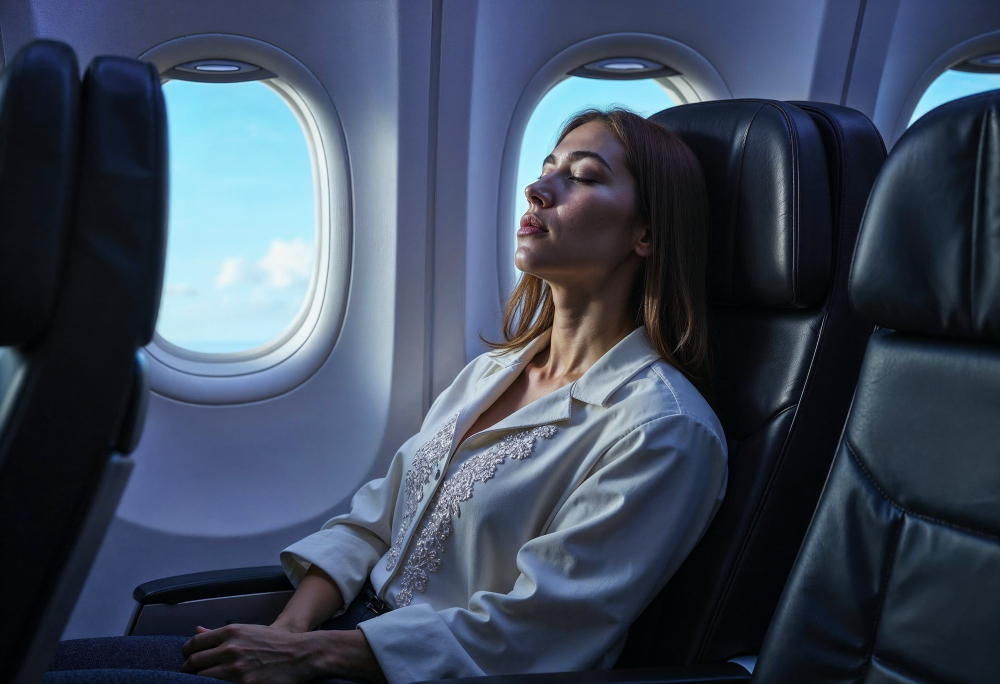
Small choices repeated before and during a trip have a disproportionate impact on the overall experience.
Traveling better rarely requires major changes; it requires consistency in simple things.
Separating essentials from extras
One of the most transformative habits is knowing how to distinguish what is truly essential from what is merely “nice to have.”
Many travelers complicate logistics by trying to anticipate every possible scenario.
First, you only need to secure the basics: documents, essential gadgets or payment methods, primary transportation, and accommodations.
Everything else can be decided with more flexibility. In the U.S., pharmacies, grocery stores, and services are readily available almost everywhere.
Traveling with less luggage—for real
Packing light is common advice but rarely practiced. The habit of carrying fewer items directly reduces friction: less time in lines, fewer worries, and greater mobility.
For domestic trips, many Americans can travel with just a carry-on by following three simple rules:
- Versatile clothing that mixes well
- Intentional repetition of outfits
- Travel-size hygiene items
Arriving early, not “just in time”
Another habit that makes travel significantly easier is abandoning the mindset of arriving at the last possible minute.
This applies to airports, train stations, reservations, and activities. Arriving early creates buffer time. Buffer time reduces stress.
Planning enough—and stopping there
Traveling well is not the same as overplanning. A good habit is to plan only what is structural and leave the rest flexible.
Structural planning includes dates, primary transportation, accommodations, and general research about the destination.
Details like the exact order of activities, every restaurant, or rigid schedules often create more friction than value.
Choosing where to stay wisely
Where you sleep influences the pace of the trip more than many people realize. A smart habit is prioritizing location over luxury or the lowest price.
Staying close to what you plan to do reduces unnecessary travel, saves time, and preserves energy—whether in large cities or natural areas.
Paying a bit more for a strategic location almost always pays off in overall experience.
Keeping your body’s rhythm in mind
Fatigue is one of the main sources of travel frustration. Still, many people ignore physical signals and push through packed schedules.
A simple but powerful habit is respecting your own pace. Take regular breaks and eat without rushing.
Most importantly, plan realistically, accounting for sleep and rest.
Especially on short trips, trying to “do everything” usually results in less enjoyment, not more.
Accepting changes with less resistance
Even with good planning, plans change. Flights get delayed, weather shifts, and attractions close. Travel becomes much easier when you accept this as part of the process.
The habit here is mental: replacing the question “How do I fix this?” with “What’s the best alternative right now?”
In the United States, there are almost always options. Flexibility reduces stress and creates space for unexpected experiences.
Avoiding comparisons with unrealistic expectations
Social media has created an unrealistic standard of the perfect trip. A healthy habit is traveling without measuring the experience against what “should” be happening.
Not every day needs to be amazing. Not every meal is memorable. Not every view is breathtaking.
Travel becomes easier when you allow the experience to be what it is—not what it looked like on a feed.
Preparing for the return is part of the trip
Many travelers focus only on departure. A simple habit that greatly improves the experience is planning the return.
This includes:
- Not arriving home at the last minute before work
- Having food at home
- Unpacking calmly
Traveling better means traveling with less friction
In the end, easier travel doesn’t depend on better destinations, more expensive flights, or more luxurious hotels. It depends on repeated habits.
Small choices—arriving early, packing lighter, planning with buffer, sleeping well, accepting changes—compound over the course of a trip.
For many Americans, travel is one of the few true breaks during the year. Making it lighter doesn’t require extra effort. It requires attention to what actually matters.
Related content
Planning a road trip without feeling rushed
Learn how to plan a U.S. road trip without feeling rushed by building margin, choosing fewer stops, and letting the journey set the pace.
Keep reading * You will remain on the current website