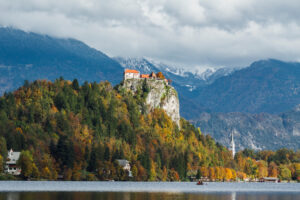
Looking beyond tourist hotspots
Discover how to look beyond tourist hotspots in the U.S. and enjoy more authentic, affordable, and meaningful travel experiences.
Beyond the Crowds: Smarter Travel Choices
Many people follow a very predictable script when traveling across America, visiting the same postcard spots and standing in the same lines.

But there’s a question few travelers ask: what happens when you look beyond the obvious tourist attractions?
1. The problem with tourist concentration
Hotspots exist for a reason: they’re visually striking, historically relevant, or culturally symbolic. The problem begins when a trip is reduced to a checklist of icons—and only those icons.
When you visit only the most famous places, you experience a condensed and often artificial version of the destination.
2. The experience beyond the surface
Going beyond tourist attractions means seeking depth. That shift in approach creates contrast.
You start noticing regional differences, lifestyles, accents, food habits, and the unique rhythms of each place.
The United States is vast and diverse. Reducing that diversity to five famous attractions wastes its potential.
3. Fewer crowds, more presence
Hotspots usually mean long lines, inflated prices, and difficulty truly appreciating the environment. When you explore less crowded areas, you gain something rare: space.
Space to observe. Space to talk with locals. Space to walk without rushing.
Many travelers realize their most meaningful memories don’t come from the most famous landmarks but from unexpected moments.
4. Smart spending
Exploring beyond hotspots can also be financially strategic.
Restaurants away from tourist zones often offer better value. Accommodations outside overpriced centers can provide more comfort for less money.
Traveling more consciously includes understanding where the real value lies.
5. Real local culture
Highly touristic areas often adapt to visitors: translated menus, standardized souvenir shops, and experiences designed for quick consumption.
When you step outside that circuit, you encounter more authentic interactions. Conversations that aren’t scripted. Community events. Local markets. Small regional festivals.
6. The role of curiosity
Research alternative neighborhoods before your trip. Talk to locals. Ask your rideshare driver where they eat. Look for local events during your stay.
These experiences may not appear on the first page of Google. But they’re often what give a trip its true identity.
Curiosity is a skill. And like any skill, it improves with practice.
7. Balance is essential
Looking beyond tourist attractions doesn’t mean completely ignoring the icons. If it’s your first time in a destination, visiting major landmarks makes sense.
The difference is balance.
See the famous spot. Take the photo. Then go further. Dedicate half your time to exploring less obvious areas. Walk without a fixed destination. Step into a café without perfect online ratings.
8. Discovering the unexpected
Some of the best travel moments happen outside the plan.
A small town along a road trip route. A little-known state park. An arts district not featured in traditional guides.
The United States has an extensive network of small towns, scenic highways, and regional communities with strong identities.
When you widen your focus, you multiply your possibilities.
9. Redefining what’s “unmissable”
The idea of “must-see” is subjective. What’s essential for one traveler may be irrelevant for another.
Maybe you don’t need to visit every famous observation deck. Maybe you don’t need to see every highly ranked museum.
Traveling beyond hotspots also means accepting that it’s not possible—nor necessary—to see everything.
Consciously choosing what to leave out is part of travel maturity.
10. Creating unique stories
When you visit only the most popular places, your stories tend to resemble those of millions of others.
But when you explore a lesser-known neighborhood, stumble upon an unexpected local event, or discover a restaurant not listed in mainstream rankings, your experience becomes unique.
11. Expanding your perception of the country
The United States is often reduced to a handful of iconic cities and famous national parks. But the country is far more complex.
Each state has subcultures, economic differences, climate variations, and distinct identities. Exploring beyond hotspots allows you to see those nuances.
You begin to understand that the country isn’t just a collection of attractions—it’s a mosaic of communities.
Related content
Traveling more intentionally in the U.S.
Learn how to travel more intentionally in the U.S. by aligning your purpose, budget, energy, and expectations for meaningful trips.
Keep reading * You will remain on the current website