
Planning scenic drives in the U.S.
Plan smarter scenic drives across the U.S. with strategic planning, seasonal awareness, and more rewarding road experiences.
Designing Scenic Road Trips Across America
Traveling by car across the United States is a strategy that combines freedom, geographic diversity, and logistical planning.
The country offers an impressive variety of scenic roads, featuring deserts, national parks, and historic regions.
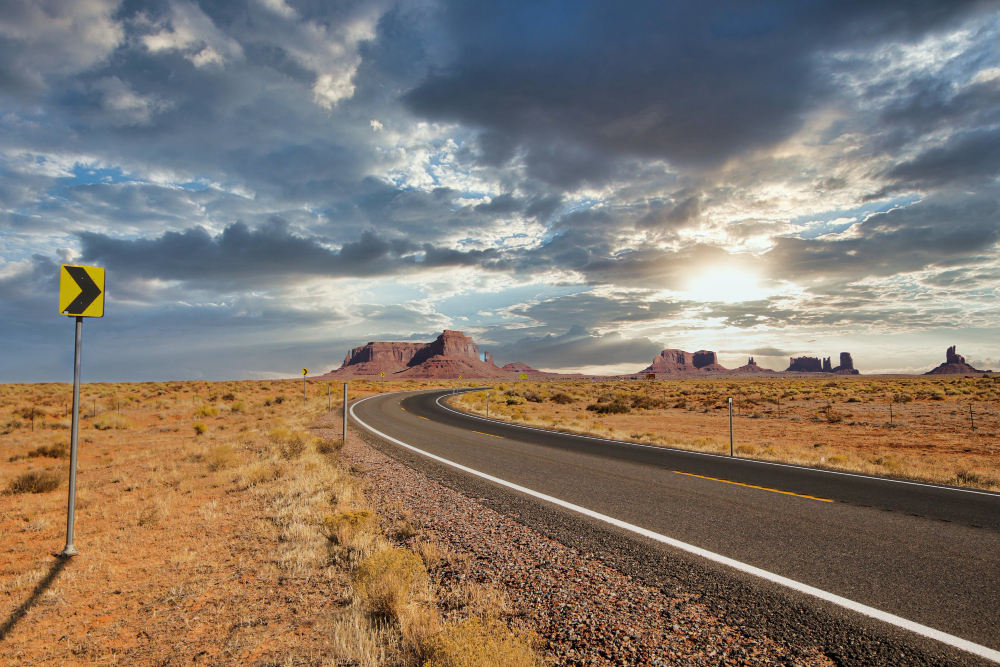
Before choosing a destination, it is essential to understand three pillars: actual distance, seasonality, and support infrastructure.
Distance and Time: The Mathematics of the Road
A common mistake is underestimating distances. On a map, 300 miles may seem short. In reality, that can mean six or seven hours of driving, depending on the type of road.
On routes such as the Pacific Coast Highway, for example, the drive is winding, with narrow stretches and reduced speeds. The goal there is not to arrive quickly but to drive attentively and stop frequently.
For that reason, calculate not only driving time but also time for enjoying viewpoints, trails, and small towns.
An efficient strategy is to divide the trip into two- to three-hour blocks, alternating with scheduled breaks.
Choosing the Right Route
Not every beautiful road offers the same experience. Some are dramatic and mountainous; others are vast and desert-like. The choice depends on the traveler’s profile, the weather, and the time of year.
The Blue Ridge Parkway, for example, is ideal in the fall, when foliage transforms the landscape into vibrant tones.
Meanwhile, the Going-to-the-Sun Road offers spectacular alpine views but is only fully open during the warmer months due to snow.
Seasonality and Climate
The United States has intense climate variations. A route that is perfect in September may be impractical in January.
Roads in mountainous regions may close due to snow. Desert areas can present a risk of engine overheating.
Before departure, review everything related to weather conditions: road closure alerts, construction updates, seasonal restrictions, and attraction operating hours.
Infrastructure and Support
Not all scenic drives have frequent gas stations or reliable cell service. In more remote regions, it is wise to refuel before reaching half a tank and download offline maps.
Also consider accommodations. Small towns along popular routes may have limited availability, especially during peak season. Booking in advance prevents unnecessary nighttime driving.
Additionally, check your vehicle’s condition—especially brakes and tires—review your auto insurance coverage, and carry a basic emergency kit.
Realistic Budget
Although driving may seem more economical than flying, costs accumulate quickly. Fuel, tolls, lodging, food, and park entrance fees must be included in your calculations.
National parks, for example, charge entrance fees. For those planning to visit multiple parks, an annual pass may be financially advantageous.
It is also important to consider the cost of time. A longer route may mean more hotel nights and more meals away from home.
Pace and Experience
The greatest advantage of a scenic drive is the pace. Unlike air travel, the road allows flexibility.
However, flexibility does not mean a lack of planning.
Define your priorities:
- Photography?
- Short hikes?
- Regional cuisine?
- Historic landmarks?
Avoid overly dense schedules. Driving long distances daily can turn pleasure into exhaustion. Alternating intense days with lighter ones maintains energy and focus.
Road Safety
Scenic routes often include sharp curves, sudden elevation changes, and stretches without wide shoulders. Constant attention is essential.
Some practical recommendations:
- Avoid driving at night in mountainous areas.
- Reduce speed on panoramic stretches.
- Do not stop in unauthorized areas for photos.
- Maintain a safe distance from recreational vehicles (RVs), which are common on tourist routes.
In addition, wildlife is a real factor in many regions. In states such as Montana or Wyoming, animals may cross the road unexpectedly.
Technology in Service of the Experience
Navigation apps are helpful, but they do not replace prior planning. Downloading offline maps is essential in areas with limited service. Weather apps also assist in decision-making.
However, technology should support the experience, not dominate it. Scenic drives are opportunities for partial disconnection. Constantly checking your phone reduces immersion in the landscape.
Sustainability and Environmental Awareness
Driving through natural areas requires responsibility. Respect speed limits, do not litter, and follow environmental preservation guidelines.
National and state parks depend on collective conservation. Staying on marked trails protects fragile ecosystems and prevents accidents.

Related content
How to make business trips feel more balanced
Learn how to balance productivity and well-being on business trips with smart planning, healthy habits, and efficient scheduling strategies.
Keep reading * You will remain on the current website