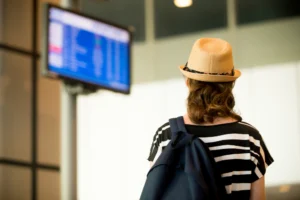
How environment impacts travel mood
How environment shapes travel mood across the U.S., and why atmosphere matters in the overall travel experience.
The Impact of Environment on Travel Enjoyment
In just a few days in the United States, you can travel through an impressive variety of environments: the fast pace of a major metropolis or the quiet landscapes of a national park, for example.
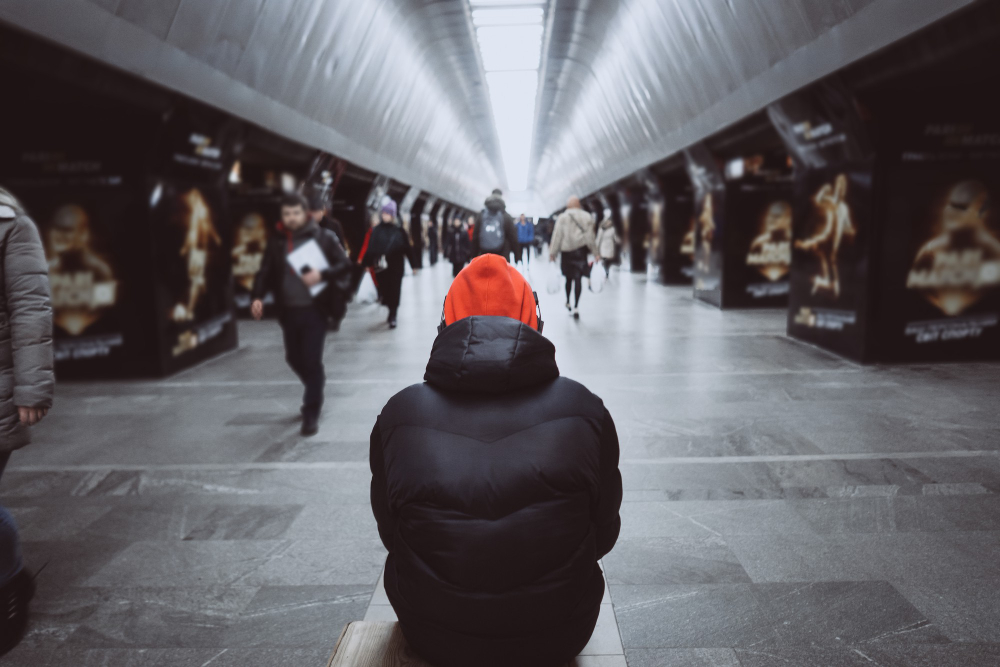
This diversity influences not only the types of activities available but also the traveler’s emotional state. The surrounding environment can significantly affect mood during a trip.
The role of atmosphere in traveler behavior
Every place has its own atmosphere, conveying different sensations. These environments directly influence how travelers behave and experience a destination.
Examples of environments and their common effects
| Type of environment | Characteristics | Common effect on mood |
|---|---|---|
| Large cities | Intense movement, noise, many options | Stimulation, energy, curiosity |
| Small towns | Slower pace, fewer crowds | Relaxation and a sense of calm |
| National parks | Nature, silence, wide landscapes | Contemplation and mental rest |
| Coastal regions | Light climate and open views | A feeling of lightness and tranquility |
This relationship between environment and emotional state is one reason why trips that include a variety of settings tend to feel more balanced.
How excessive stimulation can lead to fatigue
Urban environments offer countless interesting experiences, but they can also create a certain level of sensory overload.
Large cities come with heavy traffic, crowds, constant noise, and many decisions to make throughout the day.
Spending a few days in vibrant cities can be stimulating, but staying too long in this type of environment may lead to mental fatigue.
This helps explain why many travel itineraries in the United States combine large cities with quieter destinations, such as national parks or small historic towns.
This alternation helps balance energy and rest.
The restorative power of nature
One of the environments that most positively affects travel mood is nature.
Being surrounded by natural landscapes tends to reduce stress and increase a sense of well-being.
Nature can help reduce mental fatigue and increase feelings of calm. It also improves attention to the present moment.
Hiking trails, observing landscapes, or simply spending a few hours in a park can completely change the rhythm of a trip.
Climate and light also affect mood
Temperature, light, and atmospheric conditions directly affect how travelers perceive a destination.
Influence of weather on the travel experience
| Weather condition | Common impact on the experience |
|---|---|
| Mild weather | More pleasant for walking and exploring |
| Intense heat | Faster physical fatigue |
| Moderate cold | Cozy experiences in cities and cafés |
| Clear skies and sunshine | Greater sense of energy and motivation |
In the United States, these conditions can vary significantly depending on the region and the time of year.
The impact of crowds
Highly crowded environments can produce different reactions depending on the traveler’s personality.
For some people, crowds create a vibrant and exciting atmosphere. For others, they may generate discomfort or fatigue.
To reduce the negative impact of crowds, try visiting attractions early in the morning.
Instead of trying to control crowds, another strategy is to avoid them by exploring less touristy neighborhoods.
The role of architecture and urban design
Another environmental aspect that affects travel mood is how cities are organized.
Some urban spaces are more pleasant for walking, while others depend heavily on transportation.
Places that encourage walking tend to create a more relaxed travel experience.
Look for environments with:
- tree-lined streets
- wide sidewalks
- well-designed public spaces
- plazas and urban parks
These features often make cities more enjoyable to explore.
Choosing environments that match your travel style
Each traveler responds differently to the surrounding environment.
Some people prefer destinations full of movement and urban energy, while others feel more comfortable in quiet and natural settings.
One way to improve the travel experience is to think about the type of environment that best matches your personal travel style.
Useful questions include:
- Do I prefer busy cities or quiet places?
- Do I enjoy nature more than urban environments?
- Do crowds energize me or exhaust me?
- Is walking an important part of the type of trip I want?
Thinking about these questions helps create an itinerary that better matches the traveler’s mood and preferences.
Related content
Why slowing down changes the trip entirely
Slowing down while traveling helps you enjoy destinations more deeply, reduce stress, notice details, and create richer travel memories.
Keep reading * You will remain on the current website