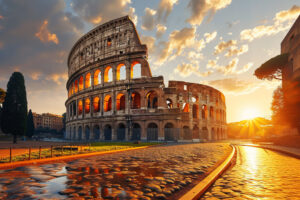
Seasonal shifts and how they change trips
How seasonal shifts across the U.S. change landscapes, travel costs, activities, and the overall experience of exploring different places.
The Impact of Seasonal Changes on Travel
The United States is a country with a vast territory, which also results in enormous climatic diversity.
In just a few days, it is possible to leave a cold mountainous region and arrive in sunny areas or hot deserts.

In this context, seasonal changes do not represent only a variation in weather — they can completely transform the travel experience.
Why seasons change the travel experience so much
The seasons directly affect the average temperature of a destination, which can completely change what travelers need to pack.
In certain regions, the length of the days and the amount of sunlight also change throughout the year. The level of tourist activity and the availability of outdoor experiences are also influenced by the seasons.
There is also a financial aspect: different seasons can increase or decrease the cost of accommodation and transportation.
How each season transforms the scenery
Each season in the United States has its own characteristics, which directly influence the type of trip that is possible.
Seasonal characteristics in the United States
| Season | Main characteristics | Typical travel experience |
|---|---|---|
| Spring | Moderate temperatures and blooming landscapes | Urban walks and parks |
| Summer | Long days and warm weather | Road trips and outdoor activities |
| Autumn | Pleasant climate and colorful landscapes | Scenic trips and hiking |
| Winter | Intense cold in many regions | Skiing, historic towns, snowy landscapes |
The impact of seasons on landscapes
One of the most visible effects of seasonal change is the transformation of the landscape.
In the United States, many destinations become famous precisely because of these natural shifts.
Examples include:
- forests in the Northeast during autumn, with leaves in red and golden tones
- national parks in the summer, when trails and roads are fully accessible
- mountainous regions in winter, covered in snow
- deserts and arid areas in spring, when some plants bloom
These changes allow the same destination to offer completely different experiences throughout the year.
Seasons also influence the rhythm of cities
Beyond landscapes, seasons affect the daily rhythm of cities.
During summer, for example, many tourist destinations receive large numbers of visitors. Restaurants, attractions, and hotels tend to be busier.
In winter, however, some tourist cities may have a calmer atmosphere.
This behavior creates two main scenarios for travelers planning a trip:
- high season, with greater movement and higher prices
- low season, with fewer tourists and more affordable costs
Between these two periods there is also the shoulder season, which occurs during the transition between seasons and often provides a good balance between weather conditions and tourist flow.
Comparison between travel periods
| Period | Characteristics | Advantages for travelers |
|---|---|---|
| High season | More tourists and higher prices | Greater number of events and activities |
| Shoulder season | Moderate movement | Balanced climate and costs |
| Low season | Fewer tourists | Lower prices and quieter environments |
Many experienced travelers prefer the shoulder season because it tends to provide a more balanced experience.
Activities that depend on the season
Another important factor is that some activities are only possible during certain times of the year.
In the United States, this is particularly evident in outdoor activities.
Examples of seasonal activities
Spring
- walks in parks and gardens
- observing flowers and natural landscapes
- local festivals
Summer
- road trips along scenic routes
- hiking in national parks
- coastal activities
Autumn
- hiking in forested trails
- scenic drives
- cultural and food-related events
Winter
- snow sports
- visits to historic towns
- cultural experiences in urban settings
Choosing the right season can significantly expand the possibilities of a trip.
How to adapt an itinerary to seasonal changes
A well-planned trip considers not only the destination but also the time of year it will be visited.
Some strategies can help travelers make the most of seasonal conditions.
1. Research the average climate of the destination
Temperatures and weather conditions vary significantly between American regions.
2. Evaluate tourist flow levels
Popular destinations can become extremely crowded during certain months.
3. Adjust activities to the environment
Some experiences are far more enjoyable in specific seasons.
4. Plan clothing and equipment carefully
Temperature differences between regions can be significant.
These decisions help avoid unexpected issues and make the trip more comfortable.
Seasonal changes and the perception of time
Another interesting aspect of seasons is how they alter the perception of time during a trip.
In summer, longer days allow more hours for exploration. In winter, daylight ends earlier, naturally creating a slower rhythm.
This variation influences how travelers organize their activities.

Related content
How environment impacts travel mood
How environment shapes travel mood across the U.S., and why atmosphere matters in the overall travel experience.
Keep reading * You will remain on the current website