The effect of crowd density on enjoyment
Learn how crowd density affects travel enjoyment and discover simple strategies to avoid busy attractions and enjoy calmer experiences.
Understanding the Role of Crowd Density in Travel
Traveling across the United States and around the world often means visiting extremely popular places, including destinations that receive millions of people.
The number of visitors at a destination can directly influence the level of satisfaction during a trip.
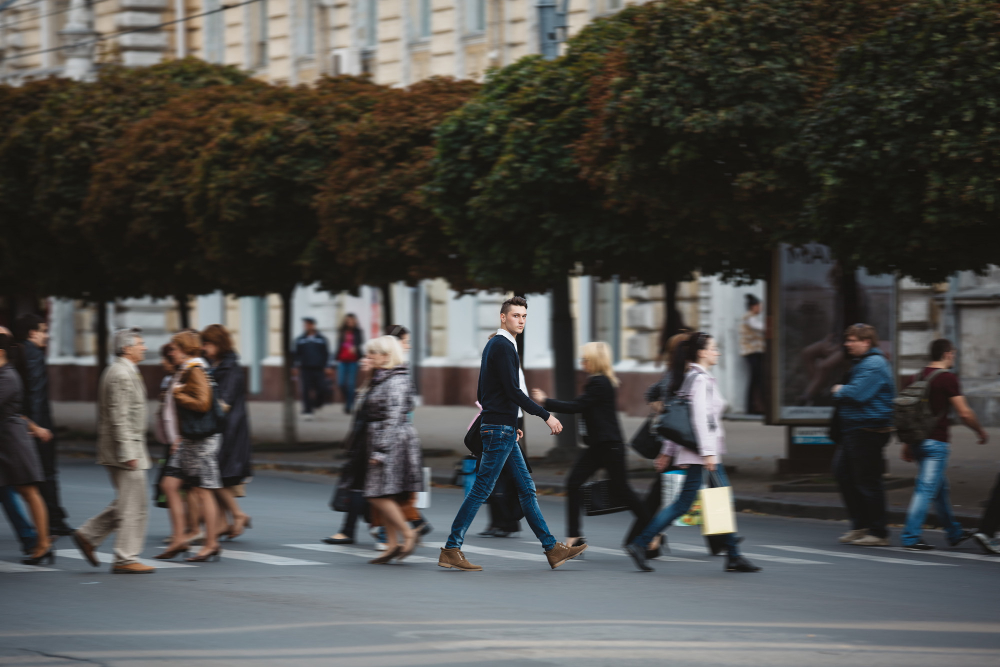
Understanding how crowds affect the travel experience can help travelers plan their itineraries better and make the most of each destination.
What crowd density means in tourism
Crowd density refers to the number of people present in a specific space during a certain period of time.
In tourist destinations, this density can vary significantly depending on the season, the time of day, and the popularity of the attraction.
At certain moments, the number of people can exceed the comfortable capacity of the location. This situation is common at iconic attractions, especially during the summer, long holidays, or special events.
How crowds affect the traveler’s experience
The presence of many people in the same place can affect different aspects of the travel experience.
In some cases, the lively atmosphere created by a crowd can even contribute positively to the destination’s overall vibe.
Festivals, markets, and cultural events often benefit from the presence of large groups of people. However, when the number of visitors exceeds a certain limit, several problems can arise.
| Experience aspect | Impact of heavy crowds |
|---|---|
| Waiting time | Long lines at attractions and restaurants |
| Mobility | Difficulty walking or moving around |
| Quality of the experience | Less connection with the environment |
| Photography | Difficulty taking photos without people |
| Sense of relaxation | A more stressful atmosphere |
Differences between urban and natural destinations
The way crowds affect the experience can vary depending on the type of destination.
In large cities, especially major tourist centers, the presence of many people can be part of the destination’s identity.
However, in natural environments such as national parks, the impact of crowd density is often felt more strongly.
Many travelers visit these places specifically to escape the hustle and bustle of urban life. When they encounter crowds similar to those found in cities, the experience can become less satisfying.
Moments when crowds can improve the experience
Although many people associate crowds with something negative, there are situations in which the presence of large numbers of people can make the experience more interesting.
Cultural events, food festivals, and public celebrations often gain energy from large crowds.
Some experiences that can benefit from higher crowd density include cultural festivals, street markets, sporting events, outdoor concerts, and national celebrations.
In these contexts, the presence of many people becomes part of the event itself and contributes to the collective atmosphere.
Strategies to avoid crowds
Traveling outside the peak tourist season can significantly reduce the number of visitors in many popular destinations.
Another effective strategy is visiting attractions during less busy hours. Many tourist sites are quieter early in the morning or later in the afternoon.
See some useful tips below:
| Strategy | Benefit |
|---|---|
| Travel during low or shoulder season | Fewer tourists |
| Visit attractions early in the morning | Shorter lines |
| Explore less touristy neighborhoods | More authentic experience |
| Book tickets in advance | Less time waiting in lines |
The role of planning in modern tourism
To deal with overcrowding, some destinations have begun adopting advance reservation systems or daily visitor limits.
These measures help control the flow of tourists and preserve the quality of the experience for visitors.
Researching visiting hours, checking expected crowd levels, and planning an itinerary in advance can help avoid frustration.
In addition, digital tools and travel apps now offer visitor flow estimates for certain attractions, helping tourists choose quieter times to visit.
The ideal balance for a good experience
Ultimately, the relationship between crowds and travel enjoyment depends largely on the type of experience a traveler is looking for.
Some people enjoy the energy of busy destinations, while others prefer calmer environments.
The ideal situation is often a balance. Destinations with moderate levels of activity usually offer a lively atmosphere without compromising visitor comfort.
For many American travelers exploring the country, learning how to identify this balance can significantly improve the overall quality of a trip.

Related content
Why some cities feel easier to explore
Discover why some cities feel easier to explore and how urban design, transportation, and walkability shape the travel experience.
Keep reading * You will remain on the current website