
Urban escapes vs rural retreats
Compare urban escapes and rural retreats to choose the right travel style, balancing cost, pace, logistics, and overall experience.
Choosing Between City Breaks and Rural Getaways
Planning a trip involves more than choosing specific destinations. One decision is consistently overlooked: the type of environment you want to experience.
In the United States, this choice usually comes down to two main paths: exploring major urban centers or seeking retreats in rural areas.
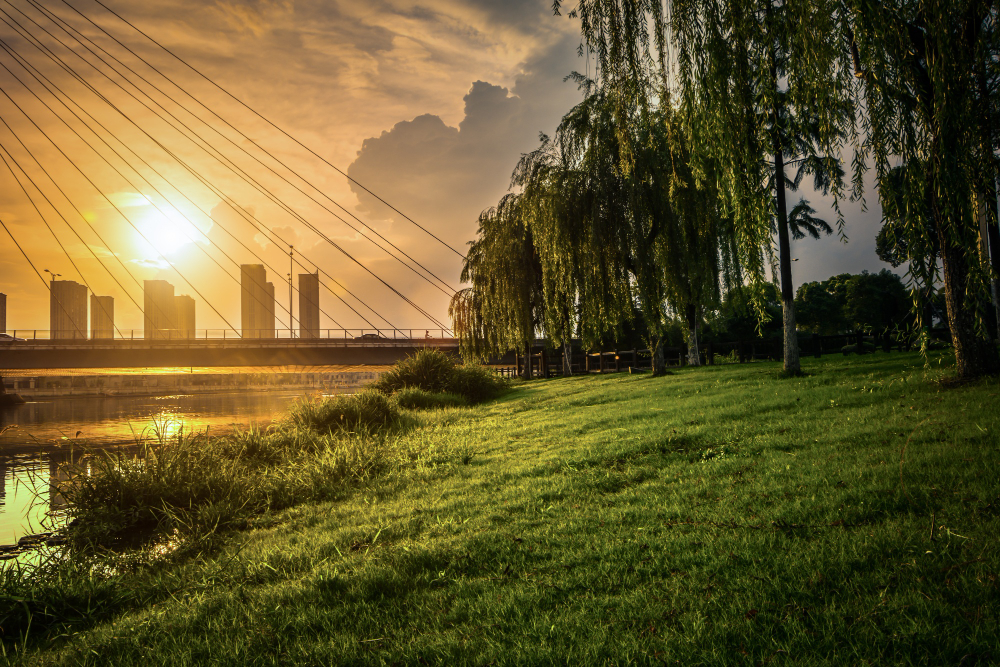
This is not just a matter of aesthetic preference. Understanding the alignment between environment and expectations helps create a more effective itinerary based on your travel goals.
What defines an urban escape?
So-called urban escapes are trips centered around cities, especially major hubs like New York, Chicago, or Los Angeles.
In these environments, the focus is on the density of experiences. Museums, restaurants, nightlife, cultural events, and diverse cuisine are all part of the package.
The main advantage is the concentration of activities within a relatively compact area, reducing the need for long commutes.
In addition, cities offer robust infrastructure. Public transportation, a wide range of services, and easy access to attractions make planning more predictable.
What characterizes a rural retreat?
Rural retreats, on the other hand, represent the opposite in many ways.
These experiences are based in less dense areas, such as small towns, national parks, mountainous regions, or less urbanized coastal zones.
Examples include inland Colorado, rural areas of California, or regions near parks like Yellowstone and Yosemite.
Here, the focus shifts from the quantity of activities to the quality of the environment. Nature, quiet, and a slower pace define the experience.
Differences in pace and energy
One of the most noticeable differences between these two models is the pace.
In cities, the environment is dynamic and stimulating. There is always something happening, encouraging packed schedules and intense days. This can be positive for those seeking variety, but it can also lead to fatigue.
In rural areas, the pace slows down. Time feels more flexible, and activities tend to be less structured. This favors rest but may not appeal to those who need constant stimulation.
Impact on the traveler’s experience
Cultural immersion
Cities offer direct access to cultural expressions, diversity, and constant interaction. It is easier to experience different cuisines, events, and lifestyles.
On the other hand, rural areas provide a more authentic connection to local traditions and ways of life that are less influenced by mass tourism.
Level of stimulation
Urban environments are rich in visual and social stimuli. This keeps travelers engaged but can also be mentally exhausting.
Rural retreats offer the opposite: fewer stimuli and more space for contemplation and mental rest.
Flexibility
Interestingly, cities tend to be less flexible in practice. Reservations, lines, and schedules limit last-minute decisions.
In rural areas, flexibility is greater, but it depends more on prior planning, especially regarding transportation.
Logistics and mobility
In the United States, logistics vary significantly between these two scenarios.
In cities, it is possible to rely on public transportation, ride-hailing apps, and walking. This reduces the need to rent a car.
In rural regions, however, a car becomes almost essential. Longer distances and the lack of public transportation require more detailed planning.
In addition, travel time may be longer in rural areas, even when distances appear short on a map.
Costs: where the real difference lies
The total cost of a trip depends directly on the type of destination.
In cities, accommodation and food tend to be more expensive, especially in central areas. However, competition and variety make it possible to find options for different budgets.
In rural areas, lodging may be more affordable, but other costs arise, such as car rental and fuel.
Another important factor is opportunity cost. In cities, it is possible to do more activities in less time. In rural areas, the value lies more in the experience than in the quantity.
When to choose each option
The decision should be guided by the purpose of the trip.
Short trips tend to work better in cities, where it is possible to maximize time and access a wide range of experiences quickly.
Longer trips benefit more from rural environments, where a slower pace allows for deeper exploration without overload.
It is also important to consider the traveler’s personal moment. Periods of stress or fatigue usually favor quieter destinations.
Hybrid strategy: the best of both worlds
An increasingly common approach is to combine both models.
In the United States, this is particularly efficient. It is possible to start in a city and then explore nearby regions with a more rural profile.
For example, combining San Francisco with California’s wine regions or New York with quieter areas in upstate New York.
This strategy balances stimulation and rest, creating a more complete experience.

Related content
Traveling between different climate zones
Travel across climate zones with smart planning, adaptable packing, and strategies to stay comfortable and efficient on your trip.
Keep reading * You will remain on the current website