
Accessible U.S. Destinations Designed for Comfortable and Easy Travel
Discover U.S. destinations with accessible features, smooth mobility, and inclusive experiences for all travelers.
Travel comfortably with destinations built for easy mobility
Traveling with mobility needs does not mean compromising on meaningful experiences or memorable destinations. Across the United States, many cities and attractions have invested in accessibility, making travel smoother, safer, and more enjoyable for everyone.
From well-designed public transportation systems to barrier-free attractions, these destinations stand out for their thoughtful infrastructure. Whether you prefer urban exploration or scenic landscapes, accessible travel options are more available than ever before.
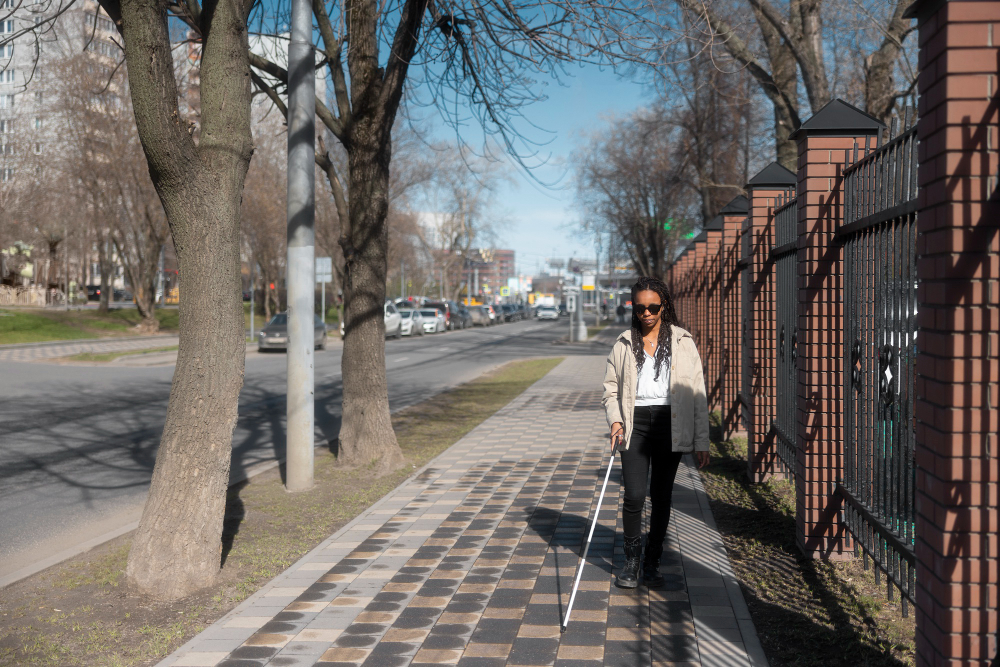
Urban Accessibility in Major Cities
Cities like New York, Chicago, and Washington, D.C. have made significant strides in improving accessibility for travelers. Sidewalk ramps, audible traffic signals, and accessible subway stations are increasingly common, helping visitors navigate independently while enjoying iconic landmarks, museums, and cultural experiences without unnecessary obstacles.
In addition to infrastructure, these cities offer accessible public transportation options, including buses and taxis equipped for wheelchair users. Many hotels and restaurants also prioritize inclusive design, ensuring that travelers with limited mobility can enjoy both convenience and comfort throughout their stay in these vibrant urban environments.
National Parks with Inclusive Trails
Several U.S. national parks have embraced accessibility by developing trails and viewpoints suitable for visitors with mobility challenges. Parks such as Yosemite and Yellowstone provide paved pathways, accessible restrooms, and designated parking areas, allowing more people to experience the beauty of nature without strenuous physical effort.
These parks also offer accessible visitor centers with exhibits designed for all abilities, including tactile displays and audio guides. With careful planning, travelers can enjoy breathtaking landscapes, wildlife viewing, and educational experiences while feeling confident that their mobility needs are supported in these natural settings.
Beach Destinations with Mobility Support
Coastal destinations like San Diego and Miami have implemented accessibility features that make beach visits more inclusive.
Many beaches provide beach wheelchairs, boardwalks, and accessible restrooms, allowing travelers to move comfortably from parking areas to the shoreline without encountering barriers.
In addition, nearby accommodations often cater to accessibility needs, offering roll-in showers, elevators, and spacious layouts.
These thoughtful features make it possible for visitors to relax by the ocean, enjoy scenic views, and participate in beach activities without the stress of navigating difficult terrain.
Historic Sites Made Easier to Explore
Exploring historic landmarks can be challenging, but many sites across the United States have adapted to become more accessible.
Locations such as Colonial Williamsburg and parts of Boston’s Freedom Trail now include smoother pathways, ramps, and accessible entry points that respect both preservation and visitor inclusion.
Guided tours are also evolving, with options that accommodate different mobility levels and provide alternative routes when necessary.
These efforts ensure that travelers can engage with history in a meaningful way, without feeling limited by physical barriers that once restricted access to these culturally significant places.
Theme Parks and Entertainment Accessibility
Major theme parks in the United States are recognized for their commitment to accessibility and inclusive guest experiences. Parks like Walt Disney World and Universal Studios offer detailed accessibility guides, ride accommodations, and services designed to support visitors with various mobility needs.
Beyond rides, these parks provide accessible transportation within the priority seating options, and trained staff ready to assist when needed. This attention to detail allows travelers to fully enjoy entertainment, dining, and attractions while feeling confident that their comfort and safety are prioritized throughout their visit.

Related content
Pet-Friendly Spring Getaways
Travel freely this spring with your pet by your side
Keep reading * You will remain on the current websiteAccessible Small Towns with Relaxed Navigation
Smaller towns across the United States can offer a more relaxed and manageable travel experience for those with mobility needs. Places like Asheville, North Carolina and Santa Fe, New Mexico feature compact downtown areas, pedestrian-friendly streets, and a slower pace that makes exploring less physically demanding while still culturally enriching.
These destinations often emphasize community-centered tourism, with accessible local shops, galleries, and dining options. Travelers can enjoy scenic views, local crafts, and regional cuisine without dealing with the crowds or complex navigation typically found in larger cities, making them ideal for a stress-free getaway.