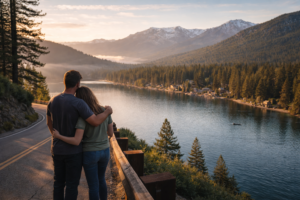
Balancing sightseeing and rest on a trip
Learn how to balance sightseeing and rest on U.S. trips to avoid burnout, enjoy experiences fully, and return home feeling refreshed.
Finding the Right Rhythm Between Exploring and Recharging
Traveling is enjoyable, but it comes with a quiet pressure: making the most of every minute. Whether traveling domestically or abroad, many people believe that resting means wasting time.

The result is common—packed schedules, accumulated fatigue, and the feeling of returning home more exhausted than when they left.
The myth that resting wastes the trip
American culture values productivity, and that mindset often carries over into travel.
Itineraries turn into to-do lists: museums, neighborhoods, restaurants, and iconic attractions. Every day has to “deliver.”
The problem is that the body and mind do not operate like a checklist.
Fatigue reduces attention, mood, and the ability to truly enjoy experiences. When rest is ignored, sightseeing loses quality.
Not all sightseeing requires the same energy
A common mistake is treating every activity as if it demanded the same effort. In reality, different experiences drain energy in different ways.
For example:
- Walking through urban neighborhoods for hours
- Standing in lines, airports, or crowded attractions
- Driving long distances
- Hiking in national parks
A smarter approach recognizes these differences and alternates intensity. Days with high physical or mental demand need to be balanced with lighter moments.
Plan the rhythm before planning the attractions
Before deciding what to see, it helps to define how you want to experience the trip.
Useful questions include
- How many hours per day do I genuinely enjoy being on the move?
- Do I need frequent breaks, or can I sustain a steady pace?
- Do I prefer productive mornings with free afternoons, or the opposite?
Answering these questions prevents itineraries that clash with your natural rhythm.
Use the concept of anchor days
One practical way to balance sightseeing and rest is to use “anchor days.”
An anchor day has one main activity, with everything else kept flexible.
Examples:
- One important museum in the morning and nothing mandatory afterward
- A short hike as the day’s focus, with the rest left open
This creates structure without rigidity and allows you to adjust based on how your body responds.
The role of active rest
Rest does not always mean doing nothing. Often, the best rest is light and active.
Unstructured walks through pleasant neighborhoods, time in urban parks, long coffee breaks, or relaxed drives can be restorative.
In a different environment, these moments often feel meaningful and immersive without requiring intense effort.
Balance changes depending on the destination
The ideal balance between sightseeing and rest varies by location.
Urban destinations
Cities like New York, Chicago, or San Francisco provide constant stimulation. Planned pauses—long cafés, parks, free afternoons—make a noticeable difference.
Natural destinations
National parks and mountain regions demand physical energy. Alternating hiking days with lighter days is essential to avoid exhaustion and injury.
Beach or resort destinations
Here, the risk is the opposite: resting too much and feeling like exploration was missed. Adding small daily activities maintains a sense of discovery without overload.
The impact of sleep and transportation
Many travelers underestimate how much sleep and transportation affect balance.
Even within the U.S., time zones, early or late flights, long drives, and frequent hotel changes drain energy—even when you are “not doing anything.”
A common mistake is scheduling demanding activities immediately after heavy travel days. Whenever possible, treat arrival and departure days as lighter days.
A simple rule to avoid overdoing it
One practical guideline works well for many American travelers: For every intense sightseeing day, include a clear moment of rest.
This might be a free afternoon, a calm dinner, or a commitment-free morning. The key is that rest is intentional—not just what’s left once exhaustion sets in.
Balancing is not doing less—it’s doing better
There is a big difference between “seeing everything” and “enjoying well.” When rest is part of the plan:
- Decisions become clearer.
- Mood improves
- Tolerance for unexpected changes increases
- Experiences become more memorable.
The mistake of comparing trips
Social media reinforces the idea of intense, highlight-filled trips. Comparing your pace to others creates unnecessary pressure.
Every trip has a different context: time available, budget, companions, and energy level. Balancing sightseeing and rest is a personal choice, not an external metric.

Related content
When things don’t go as planned while traveling
Learn how to act calmly and make smart decisions when travel plans change, helping U.S. travelers handle disruptions with less stress.
Keep reading * You will remain on the current website