
City Center or Quiet Neighborhood: Choosing the Best Place to Stay
Discover how to choose between a lively city center and a peaceful neighborhood for a more comfortable and enjoyable trip.
Your location can completely shape your travel experience.
Choosing where to stay is one of the most important parts of planning a trip. A hotel or rental may look perfect online, but the surrounding area often decides how comfortable and enjoyable your experience becomes.
Some travelers love being surrounded by busy streets, nightlife, and famous attractions. Others prefer calm neighborhoods where they can rest quietly and experience a slower, more local atmosphere.
Easy Access to Attractions
Staying in the city center usually means you are close to major attractions, restaurants, museums, and transportation.
You can often walk to important landmarks instead of spending time commuting every day.
This convenience becomes especially valuable during short trips, since less time in transit gives you more opportunities to explore and enjoy the destination at a relaxed pace.
A central location also makes it easier to return to your accommodation during the day. You can drop off shopping bags, rest briefly, or change clothes before evening activities without losing valuable time.
Travelers who enjoy busy schedules often appreciate having everything nearby, especially in large cities where traffic and public transportation delays can quickly become exhausting after several days of sightseeing.
The Benefits of Peace and Quiet
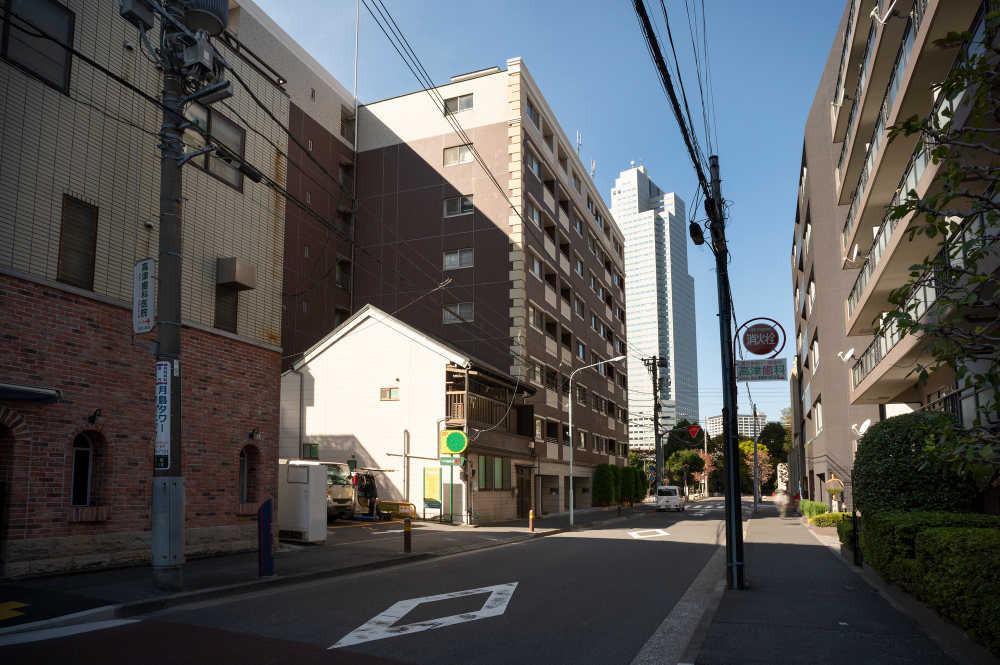
Quiet neighborhoods offer a completely different type of travel experience. Instead of crowds, traffic noise, and busy tourist streets, you often find tree-lined avenues, local cafés, and a slower rhythm that feels more comfortable after long days outside.
Many travelers sleep better in residential areas, particularly when visiting destinations known for nightlife or heavy tourism throughout the year.
These neighborhoods can also help visitors experience the city in a more authentic way.
Local bakeries, neighborhood markets, and small restaurants usually reflect daily life better than heavily touristic districts.
Travelers interested in culture, photography, or longer stays often prefer peaceful areas because they provide a stronger sense of connection with the people and routines of the destination.
Transportation and Daily Mobility
Transportation should always influence your decision before booking accommodation.
A peaceful neighborhood may seem far from attractions at first, but excellent subway or bus connections can make daily movement surprisingly simple.
In some cities, public transportation is efficient enough that staying outside the center saves money without creating inconvenience during the trip itself.
On the other hand, transportation problems can quickly reduce the advantages of a cheaper or quieter location.
Long taxi rides, crowded trains, or confusing transit systems may create stress every day, especially for families or first-time visitors.
Before choosing where to stay, checking commute times between your accommodation and the places you plan to visit can prevent unnecessary frustration later.
Budget and Accommodation Prices
Prices often vary significantly between central districts and residential neighborhoods.
Hotels in the city center usually charge more because of their convenient location and constant demand from tourists.
Travelers with limited budgets may discover larger rooms, better amenities, or more comfortable apartments outside the busiest areas, allowing them to stretch their money further during longer vacations or extended stays abroad.
However, lower accommodation prices do not always guarantee overall savings. Staying far from attractions may increase transportation costs, especially when relying on taxis or rideshare services several times daily.
Travelers should compare total daily expenses instead of focusing only on hotel rates.
Sometimes paying slightly more for a central location becomes worthwhile because it reduces commuting time and transportation spending throughout the trip.

Related content
Choosing Between Budget Airlines
Your flight choice can shape the entire travel experience.
Keep reading * You will remain on the current websiteMatching the Location to Your Travel Style
Your personal travel style should guide the final decision more than general recommendations.
Travelers who enjoy nightlife, shopping, and spontaneous sightseeing often feel happiest in the center, where activity continues late into the evening.
Being surrounded by energy and movement can make a destination feel exciting, particularly during short vacations filled with ambitious plans and packed itineraries.
Meanwhile, travelers seeking relaxation, remote work balance, or slower experiences may prefer residential neighborhoods with fewer distractions. Couples on romantic trips, families with children, and long-term visitors frequently appreciate having peaceful surroundings after busy days exploring.
The ideal location depends less on what travel guides recommend and more on the type of experience you genuinely want to create during your journey.