
Direct Flight or Layover? The Travel Trade-Off Nobody Talks About
Layovers can save money, but they often cost time, comfort, and energy in ways travelers underestimate. Take a look at these tips.
Cheap flights sometimes become the most expensive travel mistake
There is something strangely modern about sacrificing comfort just to save a little money on a flight.
Travelers love the idea of finding a “smart deal,” yet many people quietly spend entire vacations exhausted because of brutal layovers, overnight terminals, and endless airport stress.
A direct flight may look expensive at first, but experienced travelers know the hidden cost of complicated routes.
After enough missed connections, delayed luggage, and sleepless airport nights, convenience starts feeling less like luxury and more like survival.
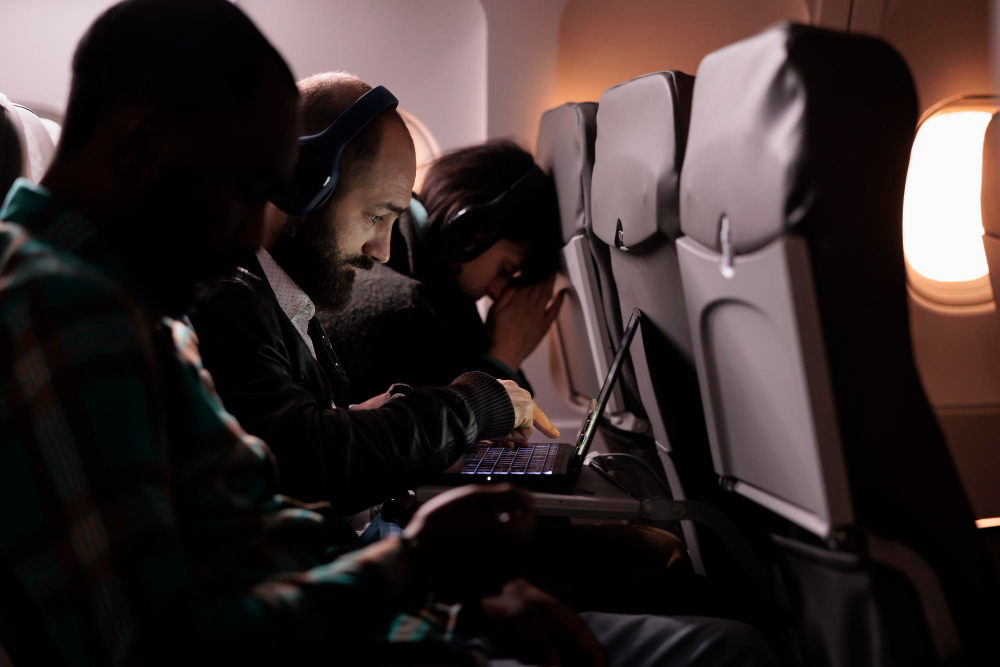
When the Cheap Flight Stops Feeling Cheap
Many travelers book long layovers thinking they are making a financially smart decision, especially for international trips.
Then reality arrives somewhere between a six-hour airport wait, overpriced sandwiches, and a delayed boarding gate announcement that suddenly changes terminals without warning.
By the time they reach the hotel, the savings barely feel worth it anymore.
I once met travelers stuck overnight at Frankfurt Airport after missing a connection from Lisbon to Bangkok because their first flight landed late during a storm.
They slept on metal chairs, paid absurd prices for bottled water, and lost the first morning of their vacation completely. Situations like this happen far more often than airline advertisements would ever suggest.
The Hidden Energy Cost of Layovers
Layovers quietly drain your energy in ways people rarely calculate before booking.
A short connection can suddenly become stressful because of immigration lines, slow security checks, or crowded airport trains inside huge hubs like London Heathrow or Paris Charles de Gaulle.
Certain travel situations almost always become worse during complicated layovers:
- Running between distant terminals
- Losing checked luggage during transfers
- Paying expensive airport meals twice
- Sleeping in brightly lit boarding areas
Even travelers who enjoy airports eventually hit a limit where the stress starts affecting the entire trip.
The exhaustion becomes obvious when you finally reach your destination and realize you no longer want to explore anything.
Instead of walking through Tokyo at night or enjoying dinner in Rome, many travelers immediately collapse into bed after spending twenty hours navigating delays, security checks, and uncomfortable waiting areas. That first lost day changes the mood of the entire vacation more than people expect.
Tight Connections Create Unnecessary Stress
Airlines often sell extremely tight connections that look manageable online but become chaotic in real life.
A forty-minute layover sounds possible until your first flight lands slightly late, immigration lines explode, or the arrival gate changes at the last second.
Suddenly, passengers sprint through terminals carrying backpacks while airport staff repeatedly announce final boarding calls.
There are warning signs that a layover may become a disaster:
- connections shorter than one hour
- airport transfers requiring shuttle trains
- separate airline tickets without protection
- overnight arrivals with limited transportation options
- routes crossing multiple immigration checkpoints
These details make an enormous difference once travel delays begin stacking together.
One friend booked a cheaper route from São Paulo to Barcelona with stops in Casablanca and Milan because the price looked unbeatable online.
After delayed baggage, a missed train into the city, and twelve hours of accumulated waiting, he admitted the savings disappeared completely once unexpected airport meals, taxis, and hotel adjustments entered the picture.
Why Direct Flights Usually Improve the Entire Trip
Direct flights remove layers of unpredictability that quietly ruin travel experiences.
Without layovers, travelers avoid repeated boarding procedures, gate confusion, luggage transfers, and endless waiting periods inside crowded terminals.
Even simple details feel easier because your mind stays calmer during the journey instead of constantly calculating boarding times, security lines, and possible delays.
Honestly, it is not worth choosing a miserable twenty-hour itinerary just to save a relatively small amount of money.
Experienced travelers know this is the best option when the price difference stays reasonable, especially for shorter vacations where every day matters.

Related content
Hotel or Vacation Rental
Your stay choice can shape the entire travel experience.
Keep reading * You will remain on the current websiteThis is how you can avoid problems
Avoid this mistake if you value your energy, sleep quality, and overall enjoyment once you finally arrive.
The smartest approach is usually balancing comfort, time, and cost instead of blindly chasing the cheapest ticket available.
Do this instead: pay slightly more for fewer connections, safer transfer windows, and better arrival times that let you actually enjoy the destination.
This makes a huge difference during real travel situations, particularly on long international routes where exhaustion builds faster than most people imagine.