
How travel expectations are formed
Discover how travel expectations form and how media and recommendations shape the way travelers imagine trips in the United States.
How Travelers Develop Expectations Before a Trip
Traveling always brings expectations. Even before boarding a plane or hitting the road, most travelers have already built a mental image of what the experience will be like.
However, travel expectations do not arise by chance. They are formed from several sources, such as media, previous experiences, recommendations from other travelers, and even cultural factors.
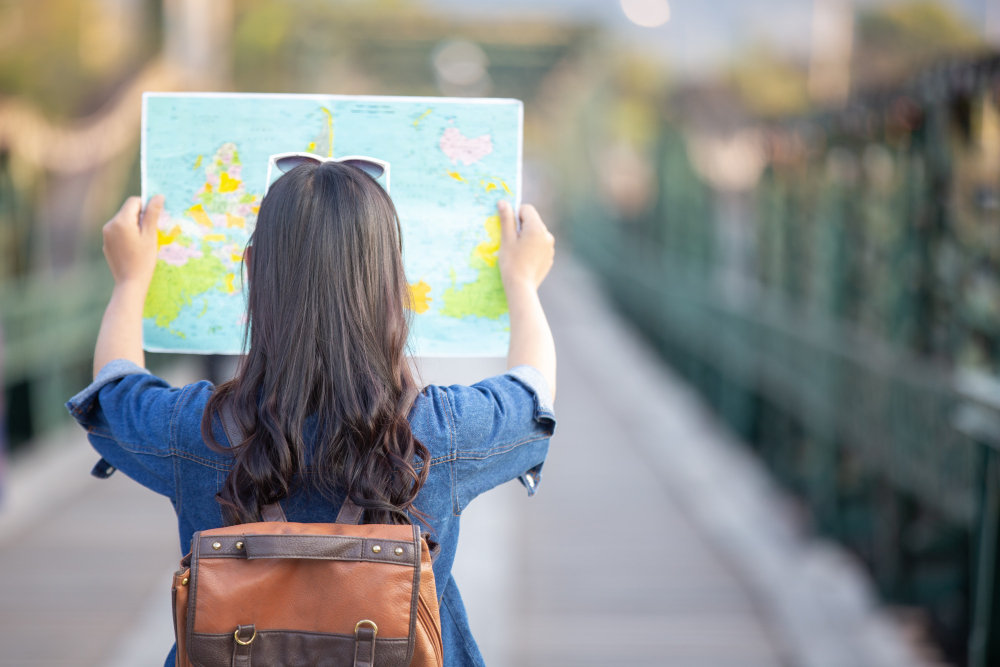
Understanding how these expectations are created can help travelers plan their journey more effectively and avoid frustration.
The role of media in shaping expectations
One of the biggest influences on travel expectations is the media, including movies, TV series, and documentaries.
Many cities are known worldwide because of cultural productions that showcase urban landscapes, national parks, and characteristic lifestyles.
These images help spark the desire to visit a destination. However, they can also create expectations that do not always fully match the everyday reality of the place.
This does not mean the experiences are less interesting, but rather that they may be different from what was initially imagined.
Previous travel experiences
Another important factor in forming expectations is the traveler’s own past experiences.
People who have traveled before tend to compare new destinations with previous trips. For example, someone who has visited large cities may expect to find similar infrastructure in other American urban centers.
Likewise, travelers who have already taken road trips may have specific expectations about road quality, infrastructure, and hotel availability.
These personal references help build an idea of what the next trip will be like.
However, it is important to adapt expectations to the destination, especially when traveling outside the United States to countries with less overall infrastructure.
Influence of travel guides and blogs
Travel guides and travel blogs also play an important role in shaping expectations.
It is common for travelers to research blog articles, suggested itineraries, and lists of must-see attractions and restaurants from YouTubers and Instagram creators.
This content helps create a more structured image of the destination, with useful information about scenic trails, wildlife observation, and camping in nature.
In practice, factors such as weather, tourist crowds, and available time can influence the real experience.
Recommendations from friends and other travelers
Conversations with friends, family, and other travelers are another important source of expectations.
A friend describing a memorable trip across the United States may immediately spark interest in following the same itinerary.
These recommendations often include details such as favorite cities, must-see attractions, culinary experiences, and outdoor activities.
By hearing these stories, travelers begin to imagine what it would be like to live the same experience.
However, it is important to remember that everyone travels differently. Individual preferences, budget, and travel style can strongly influence how a destination is perceived.
Cultural influence and the collective imagination
The United States occupies a special place in the global cultural imagination. Over decades, American culture has influenced music, cinema, literature, and fashion.
As a result, many travelers already have very defined ideas about the country even before visiting it.
People often expect to see large highways crossing the country, small towns with traditional architecture, crowded metropolitan cities, and national parks with preserved nature.
These cultural representations help shape expectations about what it means to travel across the country.
The impact of social media
Digital platforms constantly display photos and videos of popular destinations.
Many of these images highlight impressive landscapes, exclusive experiences, and carefully planned moments.
This can create the impression that every moment of a trip will be perfect or visually spectacular.
In reality, some of these locations receive thousands of visitors per day during peak season.
Even so, social media continues to be an important source of inspiration for discovering new destinations and experiences.
Adjusting expectations for a more satisfying trip
Research different sources
Consulting multiple sources of information helps create a more balanced view of a destination.
In addition to blogs and social media, it is worth considering specialized guides, official tourism websites, and travel stories from people with different profiles.
Consider practical factors
Aspects such as weather, tourist season, and local infrastructure can strongly influence the travel experience.
For example:
- National parks may become crowded during summer.
- Tourist cities may have higher prices during holidays.
- Certain attractions may have limited hours outside peak season.
Stay open to the unexpected
Some of the most memorable moments of a trip come from unplanned experiences, such as discovering a local restaurant by chance or encountering an unexpected landscape.
Related content
Choosing experiences based on travel season
Learn how to choose travel experiences based on the season in the United States and plan trips with activities that match each time of year.
Keep reading * You will remain on the current website