
Making the most of shoulder season travel
Discover how shoulder season travel offers lower prices, fewer crowds, better weather, and a more relaxed, meaningful experience.
Smart Strategies for Traveling During Shoulder Season
Traveling outside peak season is a strategic decision that many Americans still underestimate.
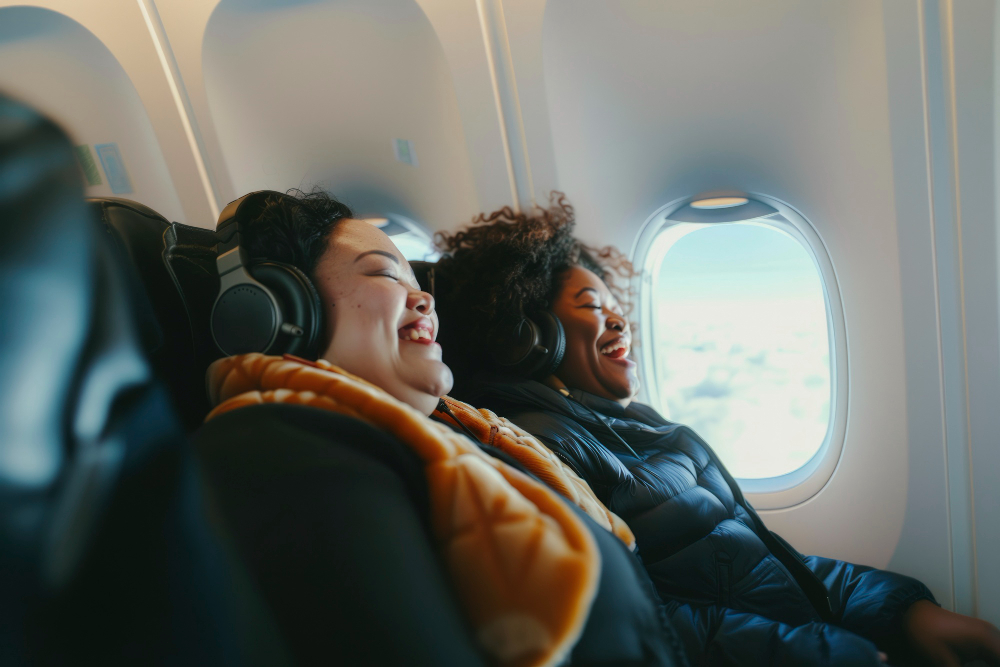
The so-called shoulder season — that period between high and low season — offers a powerful combination: lower prices, fewer crowds, and generally balanced weather.
Price Is Only the Beginning
Most people associate shoulder season simply with cheaper flights and hotels. In fact, it is often possible to find more affordable airfare and discounted nightly rates.
But the real gain goes beyond cost. Travelers encounter fewer people, shorter lines, less waiting, and more time actually enjoying the destination.
You’re not just saving money. You’re buying quality.
Weather: A Strategic Balance
A common mistake is assuming that outside peak season the weather will be bad. Not necessarily. In many American destinations, shoulder season brings more pleasant conditions.
Summer at the Grand Canyon can be extremely hot and crowded. By September or October, temperatures become milder and visitor flow drops significantly.
In the Northeast, cities like Boston shine in early fall, when the weather is still comfortable and the foliage creates a unique landscape. You avoid both intense heat and harsh winter conditions.
Simpler Logistics
During shoulder season, airports operate under less pressure, highways see less congestion, and restaurant reservations become easier to secure.
During holidays such as Memorial Day or Thanksgiving, the U.S. transportation system becomes overloaded.
Traveling just before or just after these dates reduces delays and stress.
Better Value at National Parks
At the height of summer, places like Yosemite National Park require advance reservations, face access limitations, and experience overcrowding.
However, in late spring or early fall, the experience changes completely.
Trails are less congested, wildlife is more visible, and the sense of connection with nature intensifies.
The same applies to Yellowstone National Park. Outside peak months, you drive with less internal traffic and find quieter viewpoints.
If your goal is depth of experience rather than just quick photos, shoulder season is superior.
Long-Term Financial Strategy
Traveling outside peak season allows you to travel more frequently. By saving on one trip, you create room in your budget for another.
The logic is simple but powerful: two balanced trips can generate more satisfaction than one expensive and exhausting vacation.
Taking advantage of this flexibility creates a more sustainable travel calendar.
A Better Cultural Experience
Fewer crowds also mean more authentic interactions.
Restaurants are not rushing tables. Tour guides have more time to talk. Local shops welcome you with greater attention.
In historic destinations like Charleston, walking through the streets with fewer tourists allows you to notice architectural and cultural details that often go unnoticed during the rush of summer.
Shoulder season favors depth over superficiality.
Be Aware of the Risks
Some destinations reduce operating hours. Certain attractions may close for maintenance.
In coastal areas, there may be a higher risk of storms during specific months.
This is why planning is essential. Check local calendars, confirm updated hours, and have an alternative plan.
Traveling strategically does not mean improvising. It means anticipating variables.
Traveler Profile Matters
Shoulder season is especially advantageous for:
- Professionals with flexible schedules
- Couples without school-age children
- Remote workers
- Retirees
- Travelers who prioritize tranquility
If you are tied to the school calendar, your windows are narrower. Even so, small adjustments — such as traveling in late August instead of July — can already make a significant difference.
Ask yourself: do you prefer vibrant and crowded energy, or a calmer and more controlled environment?
Pace and Recovery
There is a rarely discussed factor: physical and mental recovery. Peak season means constant stimulation — lines, noise, urgency.
Shoulder season allows for a more sustainable rhythm. You walk more slowly. You sleep better. You eat more peacefully. This directly impacts how you remember the trip.
Many people return from vacation needing rest. That is usually a sign that something was poorly calibrated.
Economic Climate and Opportunities
Hotels and airlines often offer quiet upgrades or subtle promotions outside peak season. Restaurants introduce seasonal menus. Tour operators create special packages to maintain cash flow.
Attentive travelers benefit from these opportunities.
In nature destinations, the scenery also shifts visually. In fall, parks take on vibrant tones. In spring, flowers emerge before the mass tourism wave arrives.
Practical Strategy
To make the most of shoulder season:
- Research historical weather averages.
- Avoid weeks immediately adjacent to major holidays.
- Book accommodations with flexible cancellation policies.
- Monitor airfare in advance.
- Always have a backup plan for unexpected weather.
Smart planning transforms uncertainty into advantage.

Related content
Choosing destinations based on travel distance
Plan smarter trips by matching destination distance to your available time, budget, and energy for a smoother travel experience.
Keep reading * You will remain on the current website