
The difference between busy and meaningful travel
Discover how to travel meaningfully, connect with cultures, and turn every trip into a memorable, enriching experience.
The Art of Thoughtful Travel
Traveling may seem simple: buying a ticket, booking hotels, and visiting the most famous tourist spots.
But there is a crucial difference between being busy and truly experiencing meaningful travel.
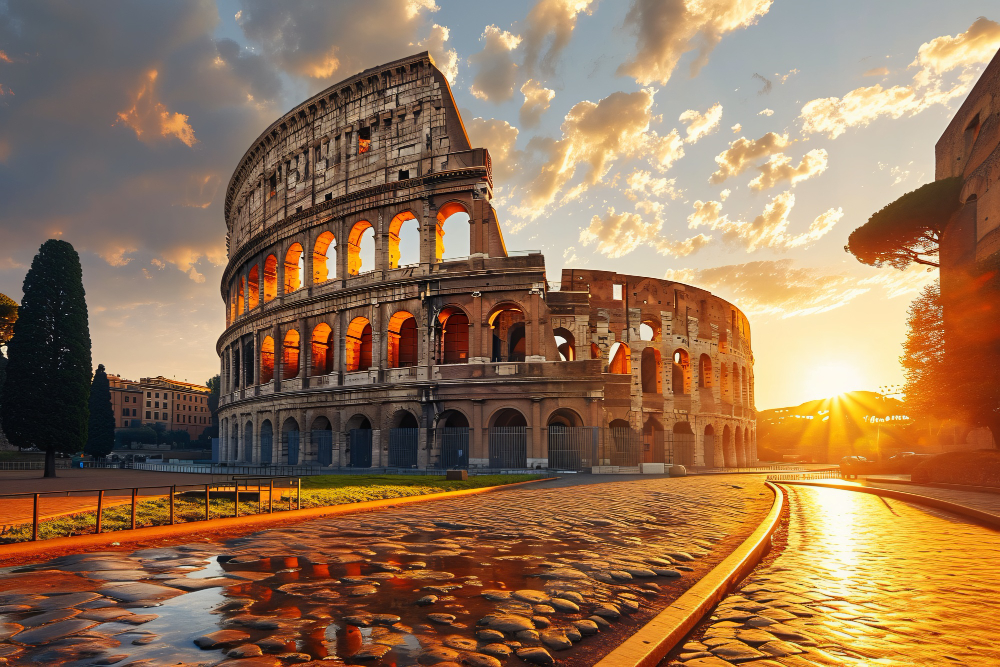
Busy travel is about checking places off a list. Meaningful travel is about feeling, learning, and connecting.
When travel is just a rush
What we call “busy travel” is a trip where every minute is scheduled.
A typical itinerary might include visiting the Empire State Building, rushing to the Statue of Liberty, catching an overnight flight to Paris, and trying to see the Louvre the next morning.
Every moment is timed, and the experience tends to become superficial. The problem is that you go to places but rarely feel them.
Even international destinations that could be transformative often end up as just “checkpoints” in memory.
Meaningful travel: focus on connection
On the other hand, meaningful travel prioritizes deep experiences. It’s not about how many museums you visit, but about what you learn, feel, and carry with you.
A meaningful traveler takes the time to understand history, explore less touristy neighborhoods, talk to locals, try traditional recipes, and even learn some of the language when traveling abroad.
The secret is intention: every experience has a purpose, and every moment is consciously absorbed.
Conscious planning: quality over quantity
Turning any trip into a meaningful one requires conscious planning. This doesn’t mean eliminating itineraries but prioritizing experiences with purpose.
Ask yourself:
- “Why do I want to visit this place?”
- “What do I want to learn or feel here?”
- “How can I connect authentically with the local culture?”
Some international travel ideas for Americans:
- Take part in hands-on cooking classes in Lisbon instead of simply dining at popular tourist spots.
- Stroll through Kyoto’s historic neighborhoods and connect with local craftsmen and artisans.
- Discover the vibrant community markets in Marrakech rather than limiting yourself to upscale hotels.
Slow travel: savoring every moment
The concept of “slow travel” is ideal for those who want meaningful experiences. Instead of trying to visit 10 cities in 7 days, choose one region or city and explore it thoroughly.
Slow travel examples for Americans:
- Portland, Oregon: discover farmers’ markets, local cafés, art galleries, and urban trails.
- Tuscany, Italy: participate in seasonal harvests, meet small wine producers, and learn local recipes.
- Bangkok, Thailand: beyond the famous temples, explore street markets, take cooking classes, and go on tours with locals.
Slow travel allows you to notice details that rushed tourists never see. It’s in this time of presence and reflection that a trip becomes truly memorable.
Authenticity and local interaction
Meaningful travel involves seeking authenticity. This applies both in the U.S. and abroad. Every region has its own traditions, history, and flavors.
- In the U.S.: jazz in New Orleans, surfing in Santa Cruz, Tex-Mex cuisine in Austin.
- Abroad: markets in Marrakech, cooking classes in Bali, visits to family-owned wineries in Chile.
More than just observing, the meaningful traveler participates: talks to locals, listens to stories, and engages with the culture.
Reflection and memory
Experiences only become memorable when absorbed and processed. Photos and conversations help internalize each moment.
History and context make all the difference. In cities like Boston or Kyoto, simply walking the streets mindfully allows you to understand the historical, social, and cultural impact of these places.
Benefits beyond travel
Meaningful travel creates lasting impacts. Deep experiences increase personal satisfaction, empathy, and creativity.
Additionally, by choosing sustainable interactions and practices, the traveler contributes to local communities and develops cultural awareness.
In contrast, busy travel is recorded only as a sequence of completed tasks, without real learning or deep emotional memories.
Transforming your travel mindset
The difference between busy and meaningful travel lies in intention, pace, and presence.
The busy traveler rushes to “do it all”; the meaningful traveler chooses experiences that truly matter, both at home and abroad.
Before planning your next trip, ask yourself: Do you just want to see places, or do you want to truly experience them?
By slowing down, interacting with locals, reflecting, and absorbing experiences, any trip can become unforgettable.
Traveling meaningfully is traveling with purpose. And for Americans exploring both inside and outside the United States, this transforms every trip into something worth remembering and sharing.

Related content
Why familiar destinations can still surprise you
Familiar destinations can still surprise travelers. Seasons, new perspectives, and city changes reveal experiences often missed.
Keep reading * You will remain on the current website Why familiar destinations can still surprise you
Keep reading You will remain on the current website