
Travel habits that improve over time
Travel habits evolve with experience. Learn how seasoned travelers plan smarter, pack lighter, and navigate trips across the United States.
Travel Skills That Get Better With Time
Traveling is a skill that develops with practice. In the beginning, many travelers tend to face small difficulties: excessive planning, inefficient logistical choices, or even unrealistic expectations about the pace of the trip.
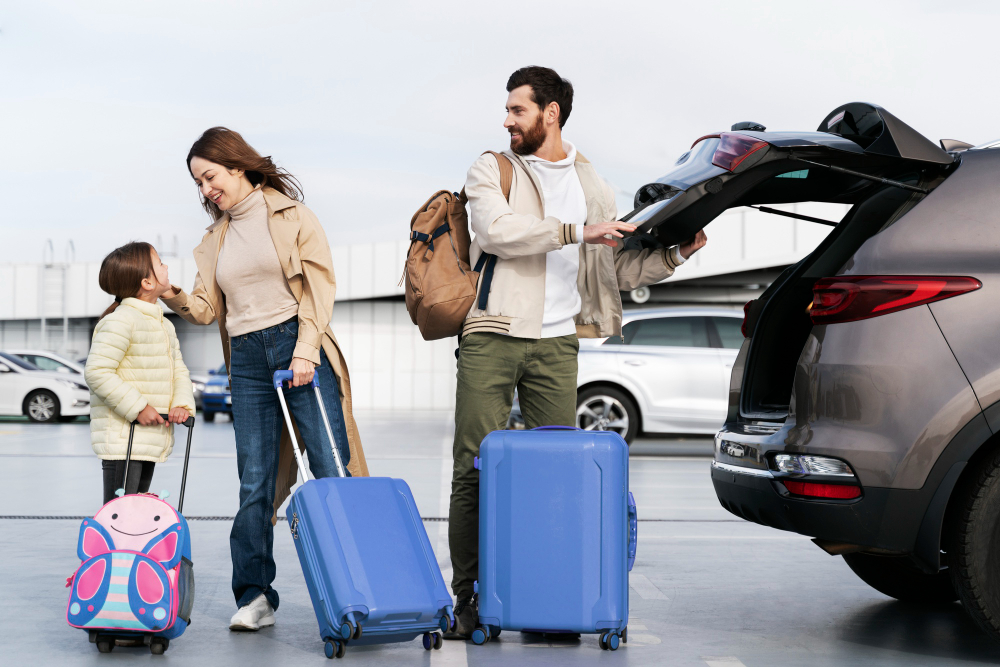
Over time, however, accumulated experience begins to shape new habits.
Planning with greater clarity
The way a trip is planned is one of the factors that improves most over time. Beginners often try to include as many destinations as possible.
With experience, a different perception emerges: fewer destinations can lead to more complete experiences.
When traveling across the United States, for example, many travelers quickly learn that long distances between cities can consume more time than expected.
Over time, planning begins to prioritize more realistic routes, with more strategic transportation and longer stays in each destination, optimizing the overall travel experience.
Learning to deal with unexpected situations
Another habit that improves with time is how travelers react to unexpected situations.
On any trip, unforeseen events are inevitable. It might be a change in the weather, a closed attraction, or a longer line than expected.
Less experienced travelers tend to see these events as problems that compromise the itinerary.
More seasoned travelers, however, understand that flexibility is part of the experience.
With time, travelers learn to adapt their plans and reinterpret unexpected situations, replacing activities without frustration and maintaining a calmer rhythm during the trip.
Packing more efficiently
The way travelers prepare their luggage also evolves with experience.
At the beginning, many travelers tend to bring too many items, imagining a variety of possible scenarios.
Over time, it becomes easier to identify what is actually necessary.
Comparison of packing habits
| Type of traveler | Common characteristics | Result during the trip |
|---|---|---|
| Beginner | Large suitcase and many items | More weight and less mobility |
| Intermediate | Moderate luggage | Greater practicality |
| Experienced | Compact and functional luggage | Easier mobility and simpler transfers |
Developing better time management
Another habit that improves over multiple trips is time management.
Many beginner travelers create very full itineraries, trying to visit several attractions in a single day.
With time, travelers begin to realize that the quality of the experience is more important than the number of activities.
Experienced travelers tend to limit the number of attractions per day, leaving time for breaks and considering the real travel time between locations, rather than the estimated time.
Learning to research destinations more effectively
The way travelers research destinations also improves over time.
At first, planning usually relies mainly on lists of popular attractions.
With more experience, travelers begin exploring deeper information, such as:
- interesting neighborhoods for walking
- less crowded times to visit attractions
- local or seasonal events
- lesser-known cultural or gastronomic options
This type of research creates a richer and more personalized travel experience.
Better understanding travel costs
Another habit that evolves is budget management.
Many beginner travelers focus mainly on the major expenses, such as flights and accommodations.
Over time, travelers begin to consider other important elements, including daily meals, local transportation, attraction tickets, and small unexpected expenses.
Common components of a travel budget
| Type of expense | Examples |
|---|---|
| Transportation | flights, car rentals, trains |
| Accommodation | hotels, vacation rentals |
| Food | restaurants, cafés, grocery stores |
| Activities | tickets, tours, museums |
| Extras | local transport, shopping |
Choosing rest moments more wisely
Very intense trips can generate accumulated fatigue, especially on longer itineraries.
With experience, travelers learn to include strategic breaks and other balance strategies, such as:
- alternating intense days with lighter days
- including parks or natural areas in the itinerary
- reserving time for slow walks
- avoiding long transfers on consecutive days
This approach helps preserve energy throughout the trip.
Developing confidence during travel
As travelers accumulate more journeys, situations that once seemed complicated begin to feel more manageable.
This includes navigating large airports, using different transportation systems, adjusting itineraries, and dealing with cultural differences.
In the United States, where cities can have very different transportation systems and daily rhythms, this confidence becomes particularly valuable.
The value of accumulated experience
Small habits develop naturally: better organization, greater flexibility, and more efficient decision-making.
Over time, travel stops being just a movement between places and becomes a more conscious and balanced experience.
Travelers begin to realize that the goal is not only to visit destinations, but also to appreciate the journey itself.
And the more trips take place, the more these habits are refined — making each new journey smoother, better organized, and more memorable.
Related content
Micro-planning vs macro-planning in travel
Understand macro and micro travel planning and how balancing big-picture decisions with daily details creates smoother trips across the U.S.
Keep reading * You will remain on the current website