
Traveling light without forgetting essentials
Traveling light means choosing efficiency over excess. Learn how to define real essentials and avoid overpacking on your trips.
How to prioritize what truly matters in your bag
Traveling light is a recurring goal among North American travelers, both on domestic trips and international journeys.
It has become a practical strategy for mobility, time management, and cost control.
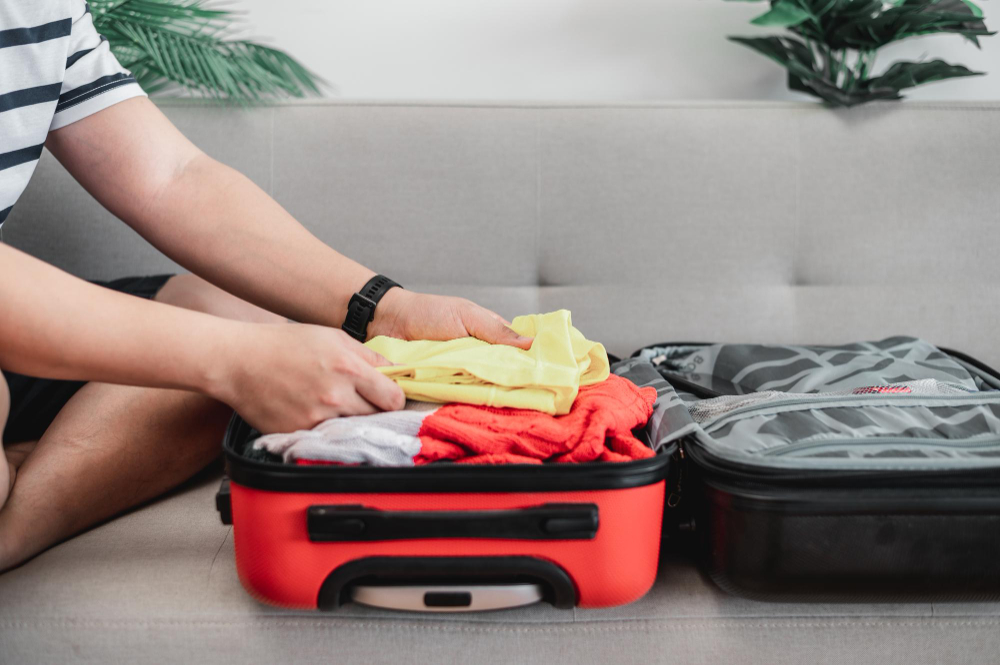
Even so, traveling light without forgetting essential items remains a challenge—especially when the concept of “essential” is not clearly defined.
Traveling light is not about carrying less but carrying better
The most common mistake is treating traveling light as a synonym for indiscriminately cutting items.
In practice, the goal is not aesthetic minimalism but functional efficiency.
For travelers accustomed to short flights, business trips, weekend getaways, and international travel, the difference between a streamlined suitcase and a poorly planned one is significant.
What “traveling light” means in the North American context
In the U.S., traveling light is directly linked to reducing friction:
- Less time at TSA security
- No checked baggage fees
- Less waiting at baggage claim
- More flexibility with connections and last-minute plan changes
On domestic flights lasting two to four hours, carry-on luggage has become the standard. On international trips, the challenge is balancing autonomy and practicality without carrying excess.
The core principle is simple: every item must justify the space it occupies.
Essentials are not traditional items
A recurring mistake is confusing “essentials” with items packed out of habit. An essential is not always what goes in the suitcase, but what:
- Reduces risk during the trip
- Prevents unexpected costs
- Ensures basic functionality in different scenarios
For North American travelers, this includes:
- Documents and digital copies
- Redundant payment methods
- Personal medications
- Adapters and chargers
- Basic hygiene items
The right question: “What happens if I don’t bring this?”
An effective way to decide what to pack is to invert the logic. Instead of asking, “Will I need this?”, ask:
- Can I easily buy it at the destination?
- Is the replacement cost low?
- Is the impact a minor inconvenience or a real problem?
In the United States, the high availability of pharmacies, convenience stores, and large retailers drastically reduces the need for redundancy. This makes it possible to travel lighter with less risk.
On international trips, the criteria shift slightly—especially for medications, documents, and specific items.
Clothing: versatility matters more than quantity
Clothing usually takes up the most space in a suitcase. Traveling light does not require fewer pieces but more versatile ones.
Some principles work well:
- A neutral, mix-and-match color palette
- Quick-drying fabrics
- Layers instead of bulky garments
A single functional jacket can replace three items. One comfortable, discreet pair of shoes eliminates the need for extra options. Fewer pieces mean fewer decisions—and less weight.
Technology: real utility vs. attachment
Another critical point is technology. Many travelers carry devices “just in case”: tablets, extra cameras, redundant accessories.
For trips within the U.S., where power outlets, Wi-Fi, and technical support are widely accessible, this is rarely justified.
The criterion here should be real utility during the trip, not potential use. A modern smartphone replaces a camera, GPS, e-reader, wallet, and entertainment device.
Bringing extra technology only makes sense when there is a clear purpose—work, content creation, or specific needs.
Organization reduces the feeling of lack
Traveling light is not just about what you pack, but how you organize it. Packing cubes, compression bags, and logical compartments make access easier and reduce the anxiety of “forgetting something.”
For frequent travelers, keeping the same organizational structure every time creates familiarity and reduces mistakes—even when the destination changes.
Excess is often emotional, not rational
Much of the extra weight in a suitcase comes not from necessity, but from anxiety. Fear of the unexpected, a desire for control, or lack of confidence in the environment leads to overpacking.
With experience, travelers begin to trust their ability to solve problems along the way. In the United States, infrastructure functions as a silent safety net.
Traveling light is, in part, about trusting the system around you.
What changes in international travel
When leaving the U.S., some items become more critical:
- Documentation and insurance
- Specific medications
- Adapters
- Payment methods
Even so, the principle remains the same: essential is what cannot fail. Traveling with less weight makes movement easier, allows for improvised connections, and supports last-minute changes—especially outside the North American comfort standard.

Related content
Making long drives more comfortable
Practical tips to make long road trips more comfortable, reduce fatigue, and enjoy long drives across states or countries with less stress.
Keep reading * You will remain on the current website