
Why slowing down changes the trip entirely
Slowing down while traveling helps you enjoy destinations more deeply, reduce stress, notice details, and create richer travel memories.
The Power of Slower Travel
Traveling across the United States often triggers a common impulse among many travelers: trying to see as much as possible in a short amount of time.
The country is enormous, filled with famous cities, impressive national parks, scenic highways, and cultural attractions that all seem essential to visit.
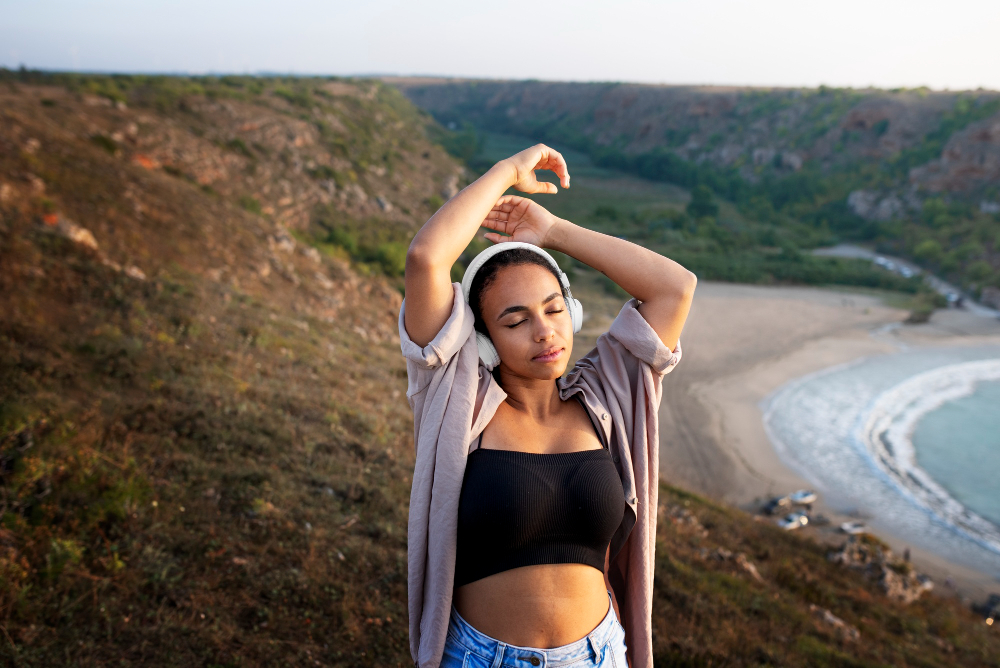
However, many travelers eventually realize that the more they try to do, the less they actually enjoy the experience.
Slowing down during a trip can completely transform the journey.
The difference between visiting and truly experiencing a place
There is a big difference between visiting a destination and truly experiencing it.
When an itinerary moves too quickly, travelers tend to pass rapidly through the main attractions, take a few photos, and move on to the next activity.
On the other hand, a slower pace allows travelers to observe the local dynamics, walk without rushing, and discover places that were not necessarily part of the original plan.
Comparison between fast trips and slower travel
| Travel style | Characteristics | Resulting experience |
|---|---|---|
| Fast-paced trip | Many destinations, full schedule | Feeling of rush and fatigue |
| Balanced trip | Fewer destinations, more time in each place | Deeper experience |
| Slow travel | Focus on a few destinations | Stronger connection with the place |
The impact of pace on traveler well-being
Travel also requires physical and mental effort. Constant transportation, frequent hotel changes, and long distances can create accumulated fatigue.
When the pace becomes too intense, both the body and mind begin to react negatively.
Travelers may feel tired, irritated, or even lose the initial excitement of the trip.
Slowing down helps preserve energy and allows each day to be enjoyed with greater enthusiasm.
To reduce the pace, consider these strategies:
- Limit the number of activities per day
- Include breaks for rest
- Plan transportation calmly
- Leave free time for spontaneous exploration
More time reveals hidden details
One of the greatest benefits of traveling more slowly is the opportunity to notice details that would normally go unnoticed.
When travelers spend more time in the same place, they begin to observe aspects that rarely appear in travel guides or traditional itineraries.
These discoveries often become some of the most memorable moments of the trip.
Fewer movements, richer experiences
Because the United States has large distances between cities, constant travel can consume a great deal of time and energy.
Comparison of travel movement impact
| Type of itinerary | Number of transfers | Real time available to explore |
|---|---|---|
| Intense itinerary | Many flights or long drives | Less time in each destination |
| Moderate itinerary | Some transfers | Balance between travel and exploration |
| Slow itinerary | Few transfers | More time to enjoy |
Slowing down can also help control expenses
Traveling at a slower pace can also have a positive impact on your budget.
By staying longer in each destination, travelers can reduce transportation costs because they do not need to move as frequently.
It also becomes easier to find more affordable accommodations for longer stays and to take better advantage of free attractions and activities.
When slowing down makes even more sense
Some types of trips benefit especially from a slower travel style.
Situations where slow travel works best
| Type of trip | Why slowing down helps |
|---|---|
| Urban travel | Allows exploration of different neighborhoods |
| National parks | Provides time for trails and landscapes |
| Road trips | Makes spontaneous stops possible |
| Cultural travel | Encourages visits to museums, cafés, and local events |
A new perspective on time while traveling
In the end, slowing down during a trip does not mean doing less. It means doing things better.
By reducing the number of destinations and spending more time in each place, travelers can build a deeper connection with the environment around them.
Moments stop being quick photo opportunities and become complete experiences.
In the United States, where cultural and geographic diversity is enormous, this travel style allows visitors to discover deeper layers of each destination.
Instead of rushing from one attraction to another, travelers begin to live at the rhythm of the place—walking calmly, observing daily life, and allowing the trip to unfold naturally.
In the end, this shift in pace completely transforms the experience. The trip stops being just a checklist of places visited and becomes a sequence of moments truly lived.
Related content
The role of timing in travel enjoyment
Timing can shape your entire travel experience. Learn how seasons, schedules, and pacing influence comfort, crowds, and enjoyment.
Keep reading * You will remain on the current website