
Why some airports feel more stressful
Understand why some airports feel more stressful and learn how layout, crowds, and delays affect your travel experience and comfort.
Understanding Stress Triggers in Airports
Air travel is part of the routine for millions of Americans. Whether for work, vacations, or family visits, airports are unavoidable transit points.
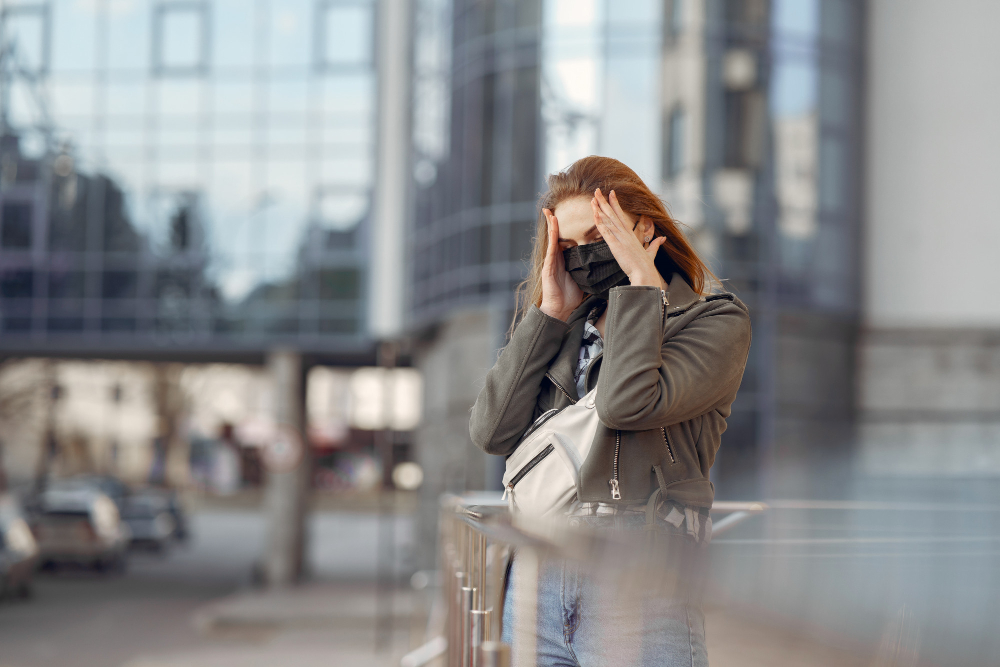
However, not all airports offer the same experience. Some feel organized, predictable, and even pleasant. Others, on the other hand, create stress from the moment you arrive.
Passenger volume and constant pressure
One of the main factors is the number of people. Airports located in major urban centers like New York, Los Angeles, and Chicago handle intense passenger flow every day.
The more travelers there are, the higher the likelihood of long lines, crowded areas, and delays.
This environment creates a constant sense of urgency, where everything feels faster, busier, and less controllable.
In addition, crowds increase mental load. Moving around, finding your gate, and going through security all require more attention and energy.
Layout and ease of navigation
Airport design makes a difference. Intuitive terminals, clear signage, and logical flow help, while long connections and frequent level changes make things harder.
When passengers have to think too much just to find their way, stress increases.
Other common layout issues include confusing signage, long distances between connections, and frequent gate changes.
Security and screening processes
In the United States, security procedures are strict. However, the way these processes are handled varies between airports.
Long lines at security checkpoints are one of the biggest stress triggers. Uncertainty about wait times, combined with the pressure of not missing a flight, creates anxiety even for frequent travelers.
It gets worse with unclear instructions, inconsistent procedures, and high passenger volume during peak hours.
The impact of delays and disruptions
Airports with frequent delays tend to be perceived as more stressful.
Weather conditions, heavy air traffic, and operational limitations directly impact the passenger experience.
In the United States, regions with more unstable weather—such as the Northeast during winter—often face delays and cancellations.
This creates a domino effect: missed flights, disrupted connections, and long waits.
Even when delays don’t directly affect you, the surrounding environment still feels tense.
Availability of services and comfort
Infrastructure also plays a role. Airports with good dining options, rest areas, and organized spaces tend to feel less stressful.
On the other hand, locations with limited services, insufficient seating, or poorly maintained environments increase discomfort.
Comfort factor comparison
| Factor | Low stress | High stress |
|---|---|---|
| Seating | Abundant and comfortable | Limited and uncomfortable |
| Food options | Varied and accessible | Limited and expensive |
| Cleanliness | High | Inconsistent |
| Space | Open | Crowded |
These details, although they may seem small, directly impact how the environment is perceived.
Time pressure and connections
How time is perceived inside the airport also affects stress levels.
Tight connections, gate changes, and delays create a constant sense of urgency.
In larger airports, where internal movement can take significant time, short connections become especially problematic.
Passengers are not just moving—they’re racing against the clock.
Differences between frequent and occasional travelers
Frequent travelers tend to handle the environment better because they are familiar with processes and expectations.
Occasional travelers, on the other hand, may feel overwhelmed by security rules, boarding procedures, and navigating the airport.
This difference explains why the same airport can feel calm for some and extremely stressful for others.
The role of predictability
Airports that offer a consistent experience, with clear processes and reliable time estimates, significantly reduce stress.
Uncertainty, on the other hand, is one of the biggest triggers of anxiety. Not knowing how long it will take to get through security or reach your gate creates constant tension.
Predictable environments create a sense of control. Unpredictable ones create discomfort.
How to reduce stress at any airport
While not all factors are under the traveler’s control, some strategies can help reduce the impact of the environment.
Practical tips
- Arrive with enough time in advance
- Avoid peak hours whenever possible.
- Complete check-in and preparations ahead of time
- Keep essential items easily accessible
- Choose connections with sufficient time
In addition, adjusting expectations is essential. Not every airport will be comfortable—but understanding that helps you deal with the situation better.

Related content
Planning trips around events and festivals
Plan smarter trips by aligning travel with events, creating richer experiences, deeper cultural connection, and more memorable journeys.
Keep reading * You will remain on the current website