
Staying comfortable on domestic flights
Learn practical strategies to stay comfortable on domestic U.S. flights with smarter seat choices, hydration, and stress control.
Simple Ways to Feel Better in the Air
Traveling by plane within the United States is routine for millions of Americans.
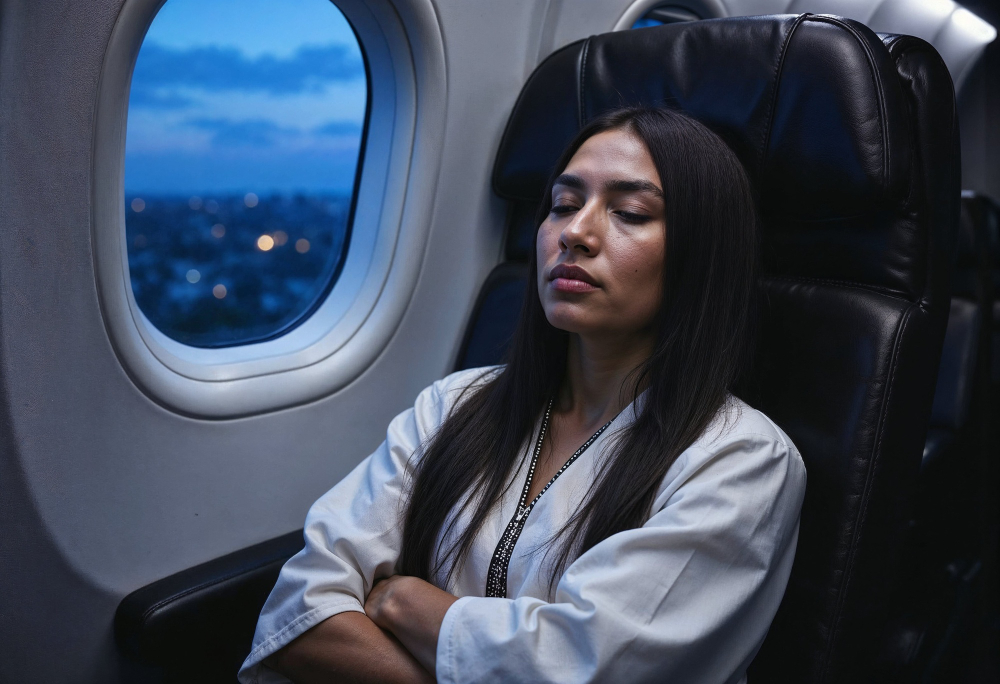
Flights between states are part of professional life, family vacations, and even quick weekend visits.
But there’s one detail many people underestimate: even domestic flights can be physically draining.
Understand what really makes you tired
The fatigue doesn’t come only from the length of the flight.
It’s the result of a combination of poor timing, prolonged sitting, dry cabin air, constant noise, irregular meals, and airport stress.
When you add all of that together, even a three-hour flight feels much longer.
The first shift is mental: treat domestic flights with the same respect you would give an international one.
Seat selection makes a real difference
Many travelers choose a seat automatically or let the system assign it. But small decisions here directly affect comfort.
- Aisle: best if you want to get up easily.
- Window: best if you want head support and better light control.
- Near the wings: less turbulence sensation.
- Avoid the last row: limited recline and more passenger movement.
If you tend to feel restless or experience leg stiffness, the aisle is almost always the better option.
Dress like someone who will be sitting for hours
Very tight clothing restricts circulation. Synthetic fabrics that don’t breathe increase discomfort. Adjustable layers are essential because cabin temperature fluctuates.
On flights departing from colder states like Massachusetts heading to warmer destinations like Florida, the temperature difference can be significant.
Wear comfortable sneakers, non-restrictive socks, a light jacket or sweatshirt, and flexible clothing.
Hydrate—even on short flights
Airplane cabins have low humidity. That affects your skin, throat, and overall energy levels.
Even on a two-hour flight, mild dehydration can reduce focus and increase fatigue.
Simple strategy:
- Drink water before boarding.
- Accept water during service
- Avoid excessive alcohol.
- Moderate coffee, especially on evening flights
Move discreetly
Staying still for hours is what creates most discomfort.
You don’t need to turn the aisle into a gym. Small movements help a lot:
- Ankle rotations
- Foot flexion and extension
- Light calf contractions
- Posture adjustments every 30–40 minutes
On flights longer than two hours, stand up at least once if possible. On longer routes, like Seattle to Atlanta, this becomes even more important.
Control sensory overload
Airplanes are full of constant stimuli: lights, announcements, conversations, and engine noise.
A few simple items significantly improve comfort:
- Noise-canceling headphones
- Eye mask for early or late flights
- Compact neck pillow
This isn’t overdoing it. It’s environmental management. The fewer unnecessary stimuli, the lower the mental fatigue.
Plan your food in advance
Many domestic flights don’t offer full meals. Relying only on ultra-processed snacks can lead to energy crashes.
If possible:
- Eat something balanced before boarding.
- Bring a simple snack (nuts, protein bar, fruit).
- Avoid boarding extremely hungry.
Sugar spikes + hours sitting = drowsiness and irritability.
Manage airport timing wisely
Discomfort often starts before takeoff.
Arriving late, rushing through terminals, or standing in long lines without a time buffer increases physical and mental stress.
Plan a realistic arrival time, check in early, and allow enough time to move through security without rushing.
Adjust productivity expectations
Many travelers see domestic flights as a chance to “catch up on work.” Sometimes that works. Often it doesn’t.
Turbulence, limited space, unstable Wi-Fi, and noise reduce efficiency.
If you board expecting peak productivity and it doesn’t happen, frustration builds.
Sometimes using the time to read, listen to a podcast, organize ideas, or simply rest is more strategic than forcing productivity.
Take care of the transition after landing
Comfort doesn’t end at touchdown.
Avoid:
- Scheduling a meeting immediately after landing
- Jumping straight into intense activity
- Ignoring proper nutrition
The right mindset makes the difference
There’s a common tendency to minimize domestic flights as “too simple” to require preparation.
But when combined with ground transportation, they represent hours outside your normal rhythm.
Comfort isn’t premium luxury. It doesn’t depend on first class. It depends on preparation, small conscious adjustments, body awareness, and realistic expectations.
Quick checklist for comfortable domestic flights
Before the flight:
- Get adequate sleep.
- Eat something balanced.
- Wear comfortable clothing.
- Bring a reusable water bottle.
During the flight:
- Drink water
- Adjust posture
- Move feet and legs
- Control stimuli (headphones, eye mask)
After landing:
- Eat properly
- Walk a little
- Avoid an overloaded immediate schedule

Related content
Preparing your body for long travel days
Learn how to prepare your body for long travel days across the U.S. with smart strategies for sleep, hydration, and energy.
Keep reading * You will remain on the current website